#114 Jewish History in Six Chapter (5)

David Solomon explores the past 500 years of Jewish History, from approximately 1500 to today.

In this talk, David examines each century in detail, looking at:

Sixteenth Century – 

  • Johannes Reuchlin
  • The printing of the Talmud 
  • Shlomo Molcho and David HaReuveni
  • Yosef Karo
  • Moshe Isserles
  • Azariah de Rossi
  • Donna Gracia 
  • Suleiman the Magnificent and the land of Israel 
  • The persecution of Marranos 
  • The publication of the Zohar 
  • The Ari          
  • The Maharal of Prague. 

Seventeenth Century –

  • The Council of the Four Lands
  • The publication of Emeq Hamelekh
  • The Khmelnytsky massacre
  • Jewish Amsterdam    
  • Jews under Protestantism 
  • Menasseh ben Israel   
  • Spinoza 
  • Shabtai Zvi and Nathan of Gaza
  • The Enlightenment
  • Newton
  • Leibniz.

Eighteenth Century – 

  • The Shtetl, Berlin and Italy
  • The Emden/Eubshytz controversy
  • The Baal Shem Tov                           
  • Jacob Frank
  • The Vilna Gaon         
  • Moses Mendelssohn
  • Solomon Maimon 
  • The Haskalah
  • The Aliyot of 1740
  • The Ramchal, the Or HaChayim, and the RaShaSh
  • The American and French Revolutions.

The Nineteenth Century –

  • Rothschild
  • Napoleon
  • Emancipation 
  • The rise of “Reform” versus “Orthodoxy” 
  • Chatam Sofer
  • Samson Raphael Hirsch
  • Abraham Geiger and Samuel Holdheim
  • Wissenschaft des Judentums 
  • Montefiore
  • Jewish America.

The Twentieth Century – 

  • Herzl to the Balfour Declaration
  • The Aliyot
  • Eliezer ben Yehudah and the revival of Hebrew 
  • Rav Kook
  • The Shoah
  • The establishment State of Israel
  • Vatican 2
  • Six-Day War in 1967 
  • The Seventh Lubavitcher Rebbe
  • Chabad
  • The Golden Age of Jewish Publishing.

As always, David places Jewish History in the context of world history. He ends this lecture with a discussion on predictions for the future of the Jewish people and the world more broadly.

Continue reading “#114 Jewish History in Six Chapter (5)”

#104 A Kabbalistic Journey Through Time (3)

The third part of David Solomon’s lecture series, A Kabbalistic Journey Through Time, examines two towering kabbalistic figures of the 16th century.

David explores the ideas of Rabbi Moshe (Moses) Cordovero (the RaMaQ) and Rabbi Yitzchak (Isaac) Luria (the AR”Y), whose contributions to Kabbalah – both emerging in late 1500s in the town of Tzfat – have been seismic.


The lecture investigates the RaMaQ’s book, Pardes Rimonim (The Orchard of Pomegranates), and its exploration of:

  • rational emanations
  • ein sof (infinite)
  • the relationship between Divine influence and the sephirot
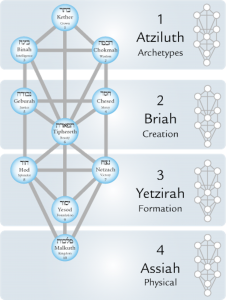
  • the four worlds
  • the immanence of the Divine in reality
  • the divine element in the human soul
  • the revelation of God in meditation, kavannot, and mystical experience.

The AR”Y did not write down his vast kabbalistic teachings. The recording of his ideas was left to his students, chief among whom was Rabbi Chaim Vital. It was Vital who compiled the book Etz Chayim (Tree of Life), the cornerstone text of Lurianic Kabbalah. This book, which was to change forever the landscape of Jewish Mystical thinking, contained many transformative kabbalistic concepts, including:

  • tzimtzum (contraction)
  • primordial man (Adam Qadmon)
  • the domain of chaos (tohu);
  • shevirah (shattering)
  • integrated configurations known as ‘partzuphim’
  • tiqun (repair)
  • the maintenance and repair of the World of Emanation
  • the trapped sparks of lower worlds
  • the five levels of the individual soul
  • the responsibility of souls to repair the world

David provides an overview of these concepts, a picture of the men from who they emerged, the historical setting of this extraordinary revolution in mystical thinking, and the legacy of these ideas.

Continue reading “#104 A Kabbalistic Journey Through Time (3)”

#78 Passover Revelations

The mystical interpretation of the festival of Passover (Pesach) is the focus of David’s latest podcast episode, a concentrated Kabbalah lecture delivered this week during chol hamoed Pesach.

Kabbalistically, Pesach marks the birth of a nation, following its liberation from slavery. But it also represents the beginnings of the creative project of the people of Israel, tasked with placing transcendent divine consciousness into a pre-existing world.

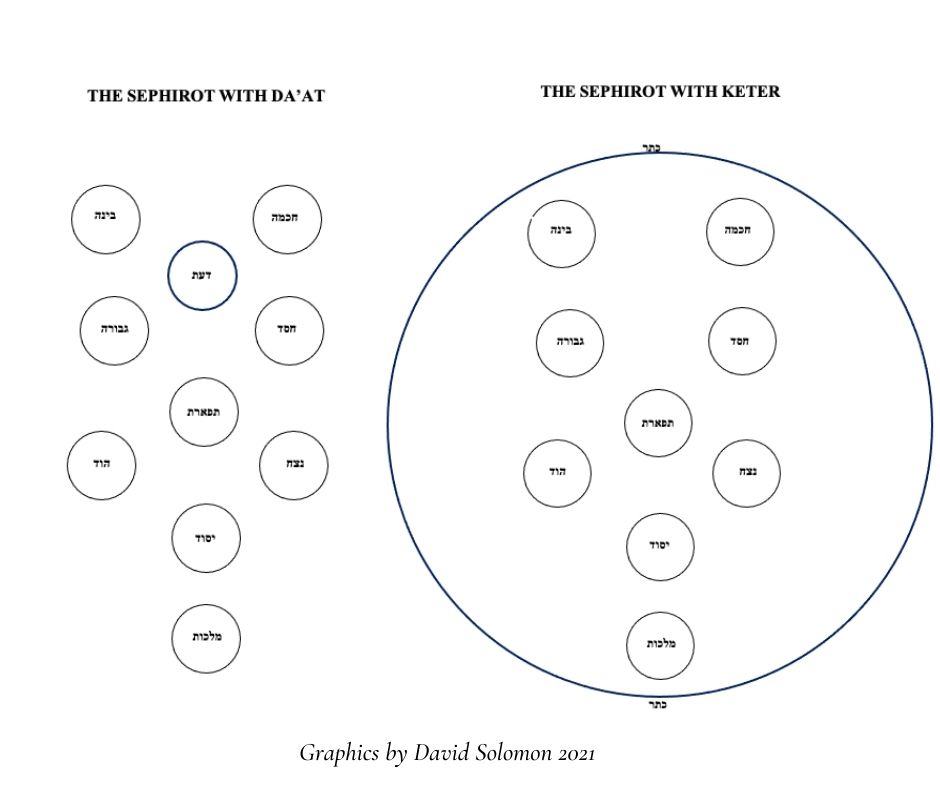
David explains the mystical manifestation of Pesach as the concept of da’at, a term best translated in this context as ‘conscious awareness.’ It is one of a number of advanced kabbalistic ideas and descriptions contained in this talk.

Drawing on ideas and insights from Rabbi Isaac Luria, David maps out the mystical relationships between past, present, and future and how this relates to the eternal connection between the Jewish people and the Divine.

Continue reading “#78 Passover Revelations”

#60 Kabbalah Since the AR”Y (2)

Kabbalah Since the AR”Y: the Vilna Gaon and Rabbi Moshe Chaim Luzzatto

The teachings of Rabbi Isaac Luria, the AR”Y (also known as the Ari or Arizal), have been profoundly influential on Jewish mystical thought of the past five hundred years. In this episode of the podcast, the second lecture in a series exploring post-Lurianic Kabbalah, David discusses the historical background, lives, and ideas of two iconic Jewish intellectual and spiritual figures – the Vilna Gaon and Rabbi Moshe Chaim Luzzatto. In doing so, he examines their remarkable contributions to kabbalistic thought on G-d, the world, and Divine revelation.

Listeners who find this material new or challenging may wish to refer to the glossary of kabbalistic terms provided here. 

Continue reading “#60 Kabbalah Since the AR”Y (2)”

#40 A History of Mystical Encounters (part 4)

A Podcast on Jewish Mysticism and Kabbalah

The revelation of the Zohar saw an enormous shift in the landscape of Jewish mystical thinking, including in the techniques and ideas focused on the quest to engage with the Divine. In this podcast episode, David examines the ideas, practices, and approaches to encounters with Gd as explored in the Zohar, Lurianic Kabbalah, and Hassidism. This final instalment of David’s four-part series, A History of Mystical Encounters, also includes discussions on Maggidic revelation and Jewish mystical meditation.

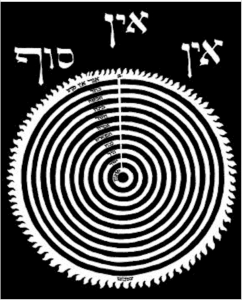
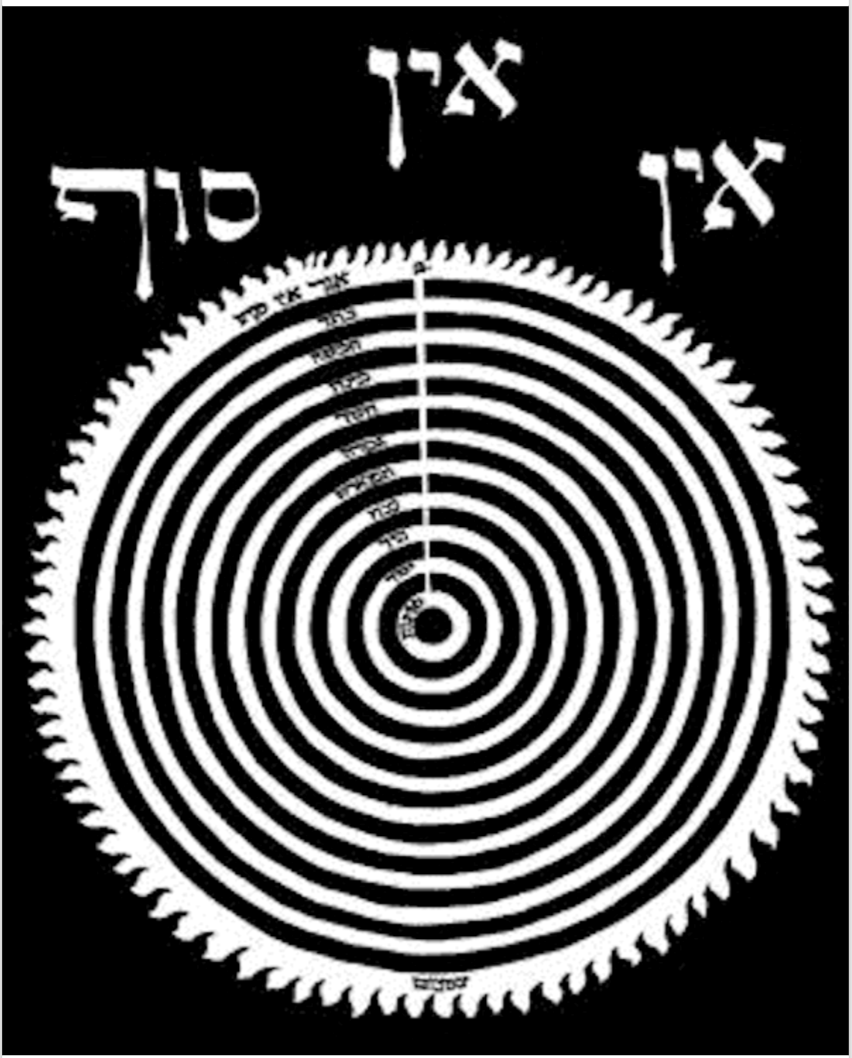
The illustration below is a rendition of Tzimtzum, a concept discussed in this podcast episode. For a reminder about the sefirot illustration provided last week, please click here.

Emanation of Sefirot according to Lurianic Kabbala. Public Domain.

Continue reading “#40 A History of Mystical Encounters (part 4)”

#28 Kabbalah ‘in one hour’

De-mystifing the mystical: in this podcast episode David Solomon explores the complex and profound field of Kabbalah to provide an overview of its texts and ideas, together with their historical background. David also explains exactly where popular Kabbalah comes from and provides the one thing that it is missing: context.
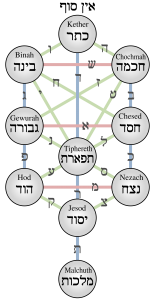
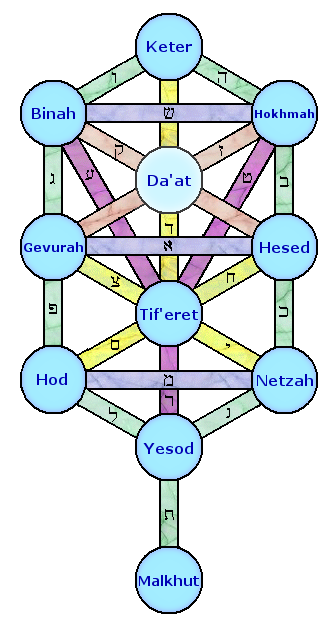
Image by Eliak: Version of the Tree of Life based on that which appears in the Bahir, but with the Sephiroth labelled with Latin letters, and showing both Keter and Da’ath (properly, only one would be shown, and the number of Sephiroth would therefore be ten). Public Domain.


Continue reading “#28 Kabbalah ‘in one hour’”

#13 Worlds in Transition: Jewish History of the 16th Century (part 2)

Jewish life in the Ottoman Empire flourished in the 16th century. In this podcast episode, David Solomon examines factors across the empire that would come together during this period to create revolutionary developments in Jewish law and mysticism. David examines the lives and work of key individuals involved in this revolution, providing an overview of the profound new ideas that emerged and the lasting impact they would have on the world.

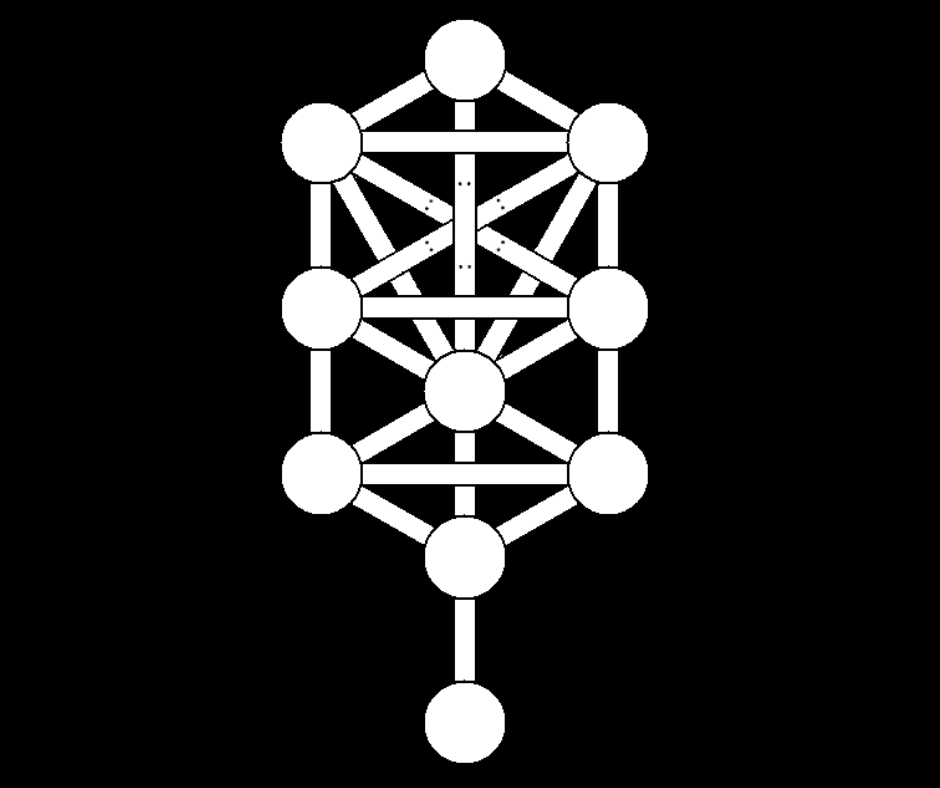
Tree of Life. Created by PuckSmith with LView Pro 1.D2 and ACDSee 3.1 [Public domain]

Continue reading “#13 Worlds in Transition: Jewish History of the 16th Century (part 2)”