The mystical interpretation of the festival of Passover (Pesach) is the focus of David’s latest podcast episode, a concentrated Kabbalah lecture delivered this week during chol hamoed Pesach.
Kabbalistically, Pesach marks the birth of a nation, following its liberation from slavery. But it also represents the beginnings of the creative project of the people of Israel, tasked with placing transcendent divine consciousness into a pre-existing world.
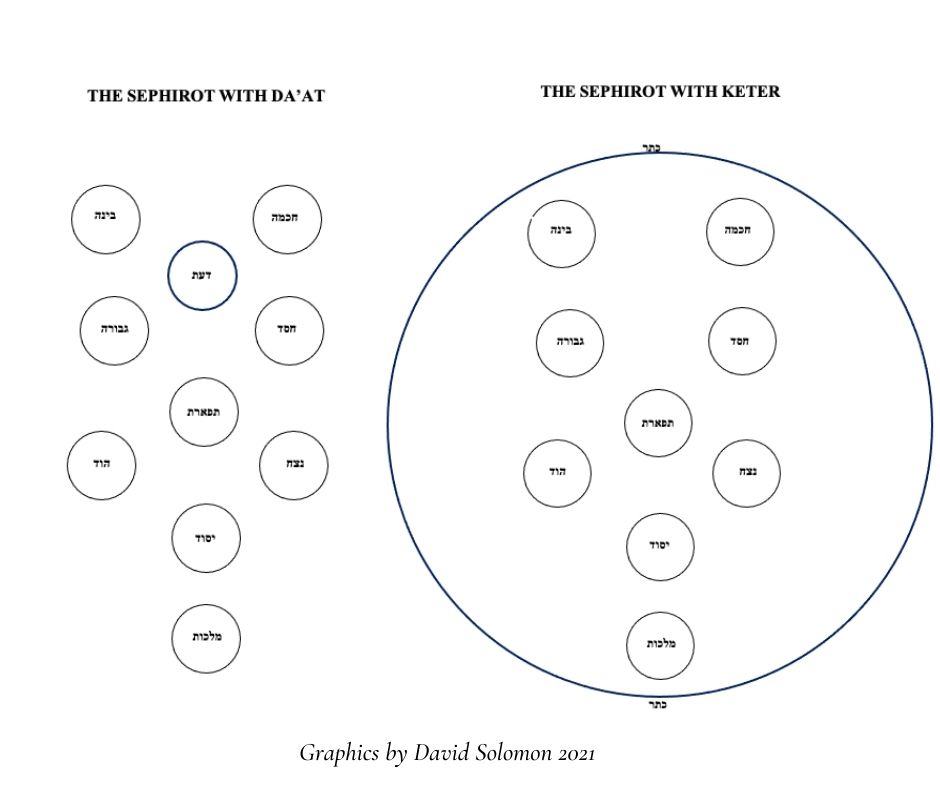
David explains the mystical manifestation of Pesach as the concept of da’at, a term best translated in this context as ‘conscious awareness.’ It is one of a number of advanced kabbalistic ideas and descriptions contained in this talk.
Drawing on ideas and insights from Rabbi Isaac Luria, David maps out the mystical relationships between past, present, and future and how this relates to the eternal connection between the Jewish people and the Divine.
Although many of the remarkable developments in 18th-century Jewish life were set within the boundaries of Europe and Ashkenazi Jewry, so much was happening beyond this region.
In this fascinating podcast episode, David explores some of the most remarkable events, personalities, and contributions of Jews in the Sephardic communities of the 1700s, centred in the:
Ottoman Empire
Land of Israel.
In doing so, he discusses:
Yehudah HaChasid
Avraham Revigo
R. Emmanuel Chai Rikki
R. Chayim Abulafia
R. Chayim ibn Attar, the Or Hachayim
R. Shalom Shar’abi, the Rashash.
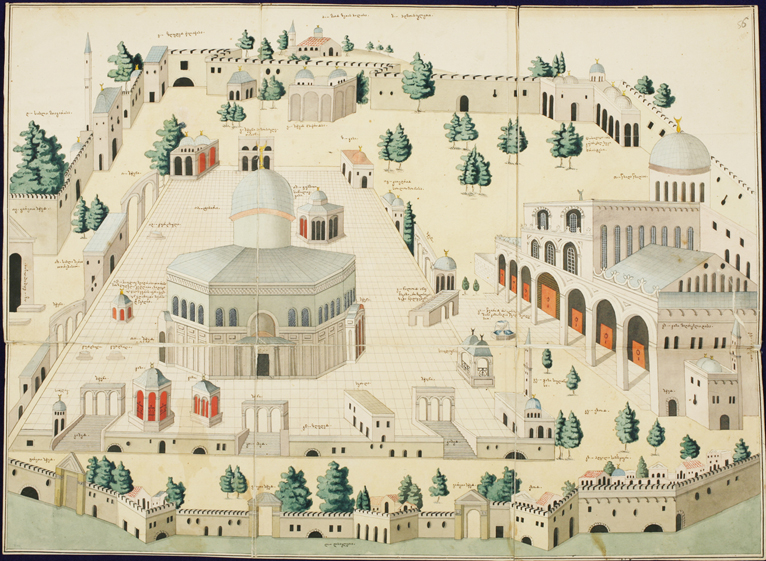
View of Jerusalem, from the manuscript of the Georgian travelogue by Timothy Gabashvili between 1755 and 1759. Public domain.
He also relays stories of some of the most notable emissaries from the Land of Israel to the diaspora, including:
R. Haim Yosef David Azulai ben Yitzhak Zerachia, the Hida
R. Moshe Malchi
R. Raphael Carigal.
The lecture also considers developments in the “new world”, including:
In the Americas –
Francis Salvador
Haym Salomon
and in the colony of New South Wales, which was to become part of Australia –
Esther Abrahams
Joseph Samuel.
David concludes the lecture by returning to Europe in the final years of the 18th century to look at the enormous changes happening across the continent and their implications for Jewish life in the coming century.
In this podcast episode, David examines a phase in 18th century Jewish history that he calls the ‘zenith of rabbinics’ for its extraordinary collection of learned rabbis. Among this ensemble of remarkable figures, one man towered over the rest – Elijah, the Vilna Gaon.
The Gra, as the Gaon of Vilna was also known, was an unparalleled prodigy in Jewish textual study and methodology, with an almost incomprehensible knowledge of Torah. David explores the life and contribution of the Gra and why he is one of the most revered Torah scholars of the past millennium. He also discusses the life and work of the Gra’s greatest student, Rabbi Chayim of Volozhim.
The 18th century also saw the rise of a new phenomenon in Jewish history, known as the Haskalah, the Jewish Enlightenment. Two enormously important figures to launch this seismic shift in Jewish life were the philosophers:
Moses Mendelssohn, often called the father of the Haskalah, and
Salomon Maimon.
Other intellectuals of note in the early days of the Haskalah that David mentions were:
David Friedlander
Solomon Dubno
Naphtali Herz Wessely.
Through the story of these impressive intellectual figures, David paints a picture of the historical circumstances, rights, challenges, and emerging opportunities for 18th century European Jews.
Providing background to this discussion, he also explores the legal and political reforms of:
Frederick the Great
Joseph II.
David concludes with a discussion of another important figure from the 18th century, Meyer Amschel Rothschild, founder of an unprecedented banking dynasty. As a result of its tremendous business success, the Rothschild family pioneered a new type of Jewish participation and influence in broader society, stretching to the highest echelons of the European establishment.
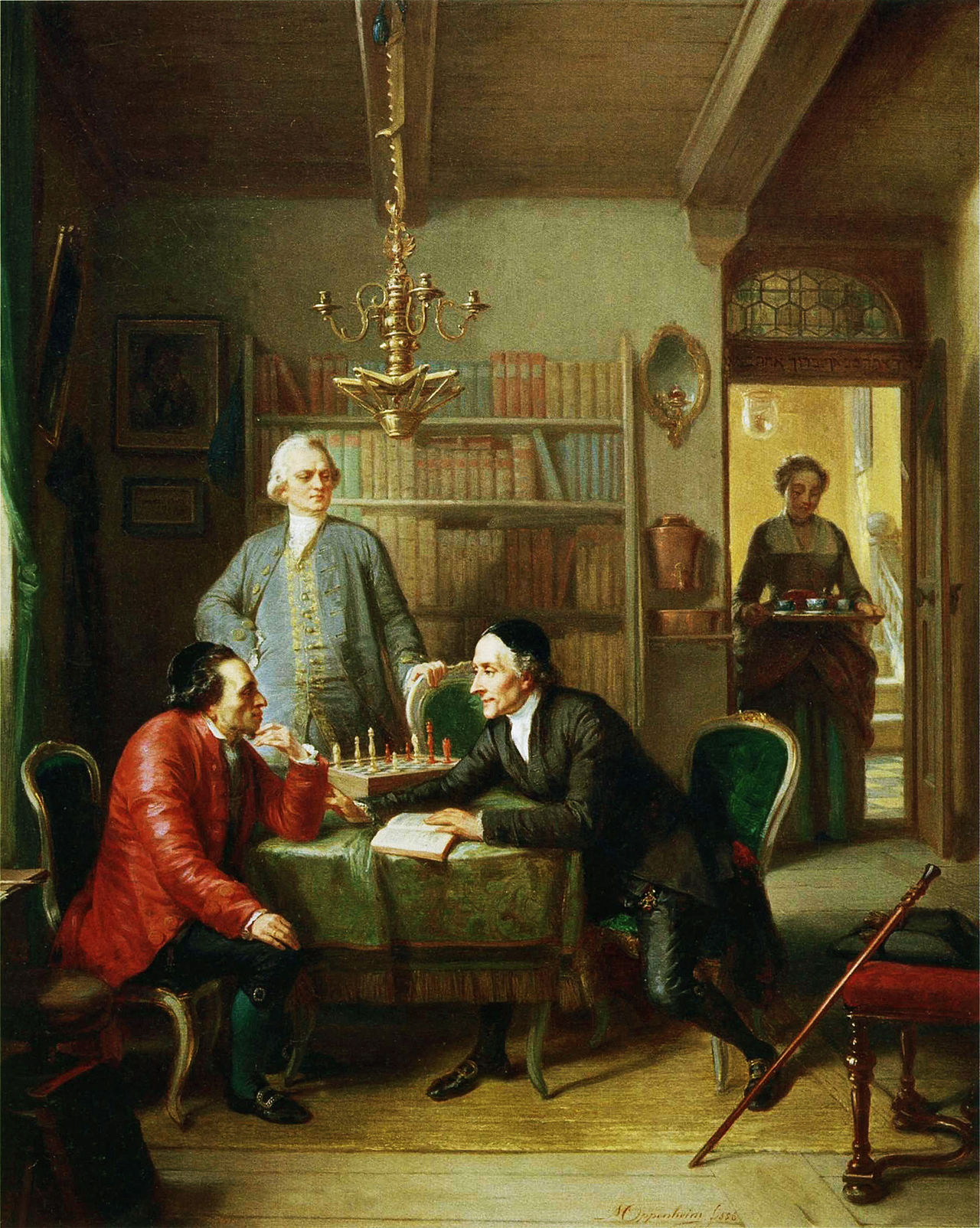
Mendelssohn, Lavater and Lessing, in an imaginary portrait by the Jewish artist Moritz Daniel Oppenheim (1856). Collection of the Judah L. Magnes Museum
This week David examines the beginnings of Chassidism, one of the most influential Jewish spiritual movements to emerge in the modern Jewish world. He discusses key individuals who launched – and developed – this extraordinary revolution and explores the central ideas and contributions of Chassidism to Jewish history, practice, religion, and life. As part of this fascinating Jewish history lecture, David focuses on the lives and ideas of:
The Baal Shem Tov – Shivchei HaBesht
Avraham Gershon of Kitov
Maggid of Mezeritch
Yaakov Yosef of Polnoyye
Levi Yitzchak of Berditchev
Shneur Zalman of Liadi
Nachman of Breslov.
He examines remarkable concepts developed by early Chassidic leaders, including:
the sparks of love
the light of the intellect
conversations with G-d.
as well ideas like:
devekut
hashgachah pratit
exile of the soul and raising the sparks
prayer over study
the ecstatic service of the heart
the spiritual importance of joy
love of every Jew
the idea of the tzaddiq.
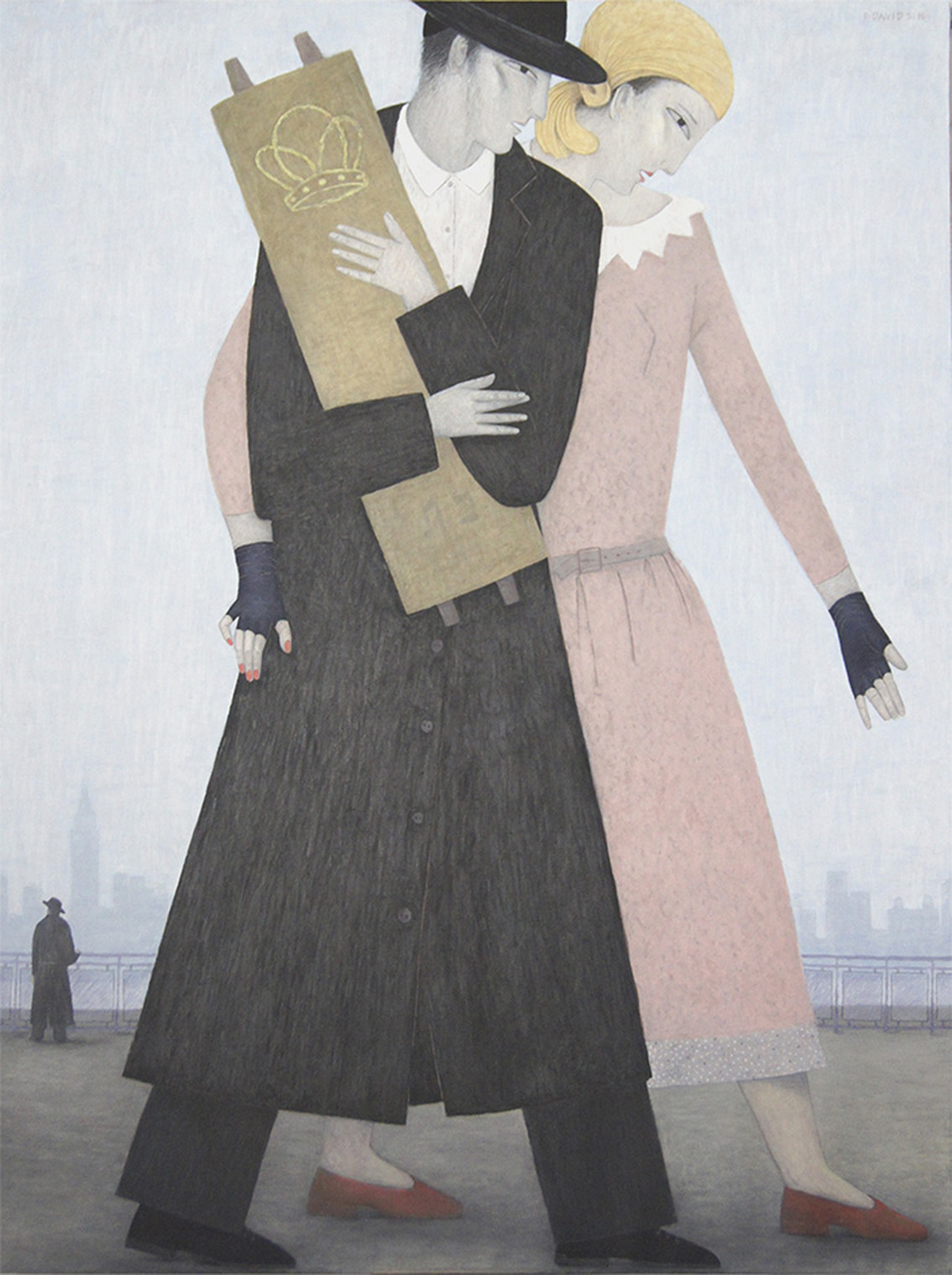
Hasidic couple in New York, painting by Roger David, 150 cm x 201 cm, oil on canvas, 2016. This file is licensed under the Creative Commons Attribution-Share Alike 4.0 International license. https://commons.wikimedia.org/wiki/File:Hasidic_couple_in_New_York,_painting_by_Roger_David.jpg
David also maps out the historical context of this remarkable phenomenon. He discusses opposition that emerged in large parts of the Jewish world to Chassidic ideas and practice and the destructive nature of some of these conflicts. He also considers a number of interesting developments that resulted in Jewish history in the wake of Chassidism.
In this Jewish history lecture, David explores the early years of the 18th century, heavily overshadowed by two significant and difficult events of the 1600s – the cataclysm of the Khmelnytsky Massacres and the enormous reverberations of disappointment that followed the false messiah, Shabtai Tzvi.
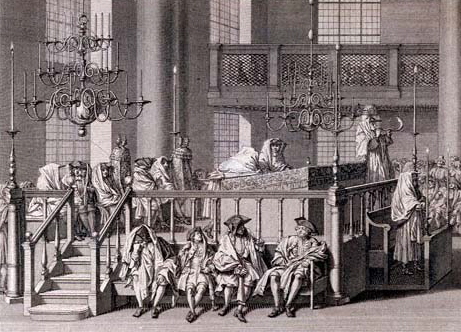
The Sounding of the Shofar on Rosh Hashanah, illustration circa 1733–1739 by Bernard Picart from “The Ceremonies and Religious Customs of the Various Nations of the Known World”, dated between circa 1733 and circa 1739. Public domain.
He discusses Jewish communities of importance in the 1700s – Prague, Amsterdam, Thessaloniki, and Livorno. He also explores the lives, contributions, controversies, and legacies of notable figures associated with these communities, including:
Glückel of Hameln
David Nieto
Nehemiah Hayyun
Moses Hagiz
Tzvi Ashkenazi, known as the Chacham Tzvi
Jonathan Eybeschutz
Jacob Emden
Moshe Chaim Luzzatto, known as the Ramchal.
David also addresses the impacts of:
the Enlightenment
the rise of capitalism and mercantilism
changes in political structures and government.
This remarkable hundred-year period not only contained a vast collection of towering individuals, but also brought a range of cultural, intellectual, and spiritual developments that would shape the modern Jewish world.
In this absorbing Jewish history lecture, David examines the stories and contributions of nine remarkable, often powerful, Jewish women from the period of the second temple in Jerusalem, including:
Queen Esther
Judith (Yehudit)
Hannah and her seven sons
Hannah Maccabee
Queen Salome (Shlomtzion)
Queen Miriam
Queen Mariamne
Berenice
Drusilla.
David also explains how the changing political and cultural landscape impacted women’s rights, roles, and opportunities during a period that included:
Persian rule
Hellenic rule
Hasmonean rule
Roman rule.
Moreover, he provides historical background and context to this time in Jewish history, packed with complex political intrigue, military machinations, civil war, and regime changes.
Watch a video slideshow of the podcast lecture on Youtube below.
For centuries, Jewish communities were known for producing doctors of the highest order. Even in the most profound climates of anti-semitism, kings and nobles sought the care of Jewish physicians. In this podcast episode, David examines the period he refers to as the “century of the Jewish doctor” for its examples of remarkable figures who lead the way in medical treatment and research.
In the first millennia BCE, the prophets of Israel launched an unprecedented spiritual revolution, the impact of which has resonated throughout the ages and across the world. In this fascinating lecture, David presents an overview of the twelve ‘minor’ prophets of Israel. Although their messages contained profound insight, analysis, and inspiration, these prophets are known in English as ‘minor’ because their books are short compared to those of the ‘major’ prophets: Isaiah, Jeremiah, and Ezekiel. With lightning speed and characteristic clarity, David takes us through the story of these prophets and reminds us of the remarkable relevance of their words for us today.
In this podcast episode, David examines the life and ideas of the following prophets:
Hosea
Joel (Yoel)
Amos
Obadiah (Ovadiah)
Jonah (Yonah)
Micah
Nachum
Habakkuk
Zephaniah
Haggai
Zechariah
Malachi
He places these prophets in their historical context, looking at the following periods and events:
life in the northern Kingdom of Israel and the Kingdom of Judea (Judah)
the destruction of the northern kingdom by the Assyrians
the assault on Jerusalem by the Assyrians
the defeat of the Assyrians by the Persians
the Babylonian exile
the return to Zion and the rebuilding of Jerusalem under the proclamation of Cyrus
Although the Holocaust looms large as the defining feature of Jewish life in Germany, it was not an isolated historical event for German Jews. The Shoa followed a long and tragic trail of massacres, pogroms, and persecutions. However, the historical relationship between the Jewish and German peoples consisted of more than bloodshed and hardship. As David explains in this lecture, “the symbiotic relationship between the Jews of Germany and the general German population was nothing short of astounding.”
In this podcast episode, From Exile in Paradise to Redemption in Hell Jews and Judaism in Germany: past, present, and future, David explores the long and fascinating story of German Jewish life, from the days of the Roman Empire to the present, covering:
Jews and the Roman Empire
the beginnings of Ashkenazi Jewry and the influence of Rabbeinu Gershom
the Rhineland Massacres of the 11th century, known in Jewish history as the Akedah
Meir of Rottenberg and Asher ben Yechiel
the constant return of Jews to Germany despite ongoing persecution and recurring massacres
the impact of the Reformation
the restriction of Jews to money lending and their subsequent influence on economic policy
Moses Mendelssohn, the Enlightenment, and secular Judaism
Jewish conversion to Christianity as an essential requirement for advancement in 19th Germany
Jewish mystical interpretations of the relationship between Jews and Germany
the growth of contemporary Jewish communities in Germany
the enormity of the Shoa and its place in history
the integral nature of Jews to German life and history.
This website uses cookies to improve your experience. We'll assume you're ok with this, but you can opt-out if you wish.AcceptRead More
Privacy & Cookies Policy
Privacy Overview
This website uses cookies to improve your experience while you navigate through the website. Out of these cookies, the cookies that are categorized as necessary are stored on your browser as they are essential for the working of basic functionalities of the website. We also use third-party cookies that help us analyze and understand how you use this website. These cookies will be stored in your browser only with your consent. You also have the option to opt-out of these cookies. But opting out of some of these cookies may have an effect on your browsing experience.
Necessary cookies are absolutely essential for the website to function properly. This category only includes cookies that ensures basic functionalities and security features of the website. These cookies do not store any personal information.
Any cookies that may not be particularly necessary for the website to function and is used specifically to collect user personal data via analytics, ads, other embedded contents are termed as non-necessary cookies. It is mandatory to procure user consent prior to running these cookies on your website.