This week David examines the beginnings of Chassidism, one of the most influential Jewish spiritual movements to emerge in the modern Jewish world. He discusses key individuals who launched – and developed – this extraordinary revolution and explores the central ideas and contributions of Chassidism to Jewish history, practice, religion, and life. As part of this fascinating Jewish history lecture, David focuses on the lives and ideas of:
The Baal Shem Tov – Shivchei HaBesht
Avraham Gershon of Kitov
Maggid of Mezeritch
Yaakov Yosef of Polnoyye
Levi Yitzchak of Berditchev
Shneur Zalman of Liadi
Nachman of Breslov.
He examines remarkable concepts developed by early Chassidic leaders, including:
the sparks of love
the light of the intellect
conversations with G-d.
as well ideas like:
devekut
hashgachah pratit
exile of the soul and raising the sparks
prayer over study
the ecstatic service of the heart
the spiritual importance of joy
love of every Jew
the idea of the tzaddiq.
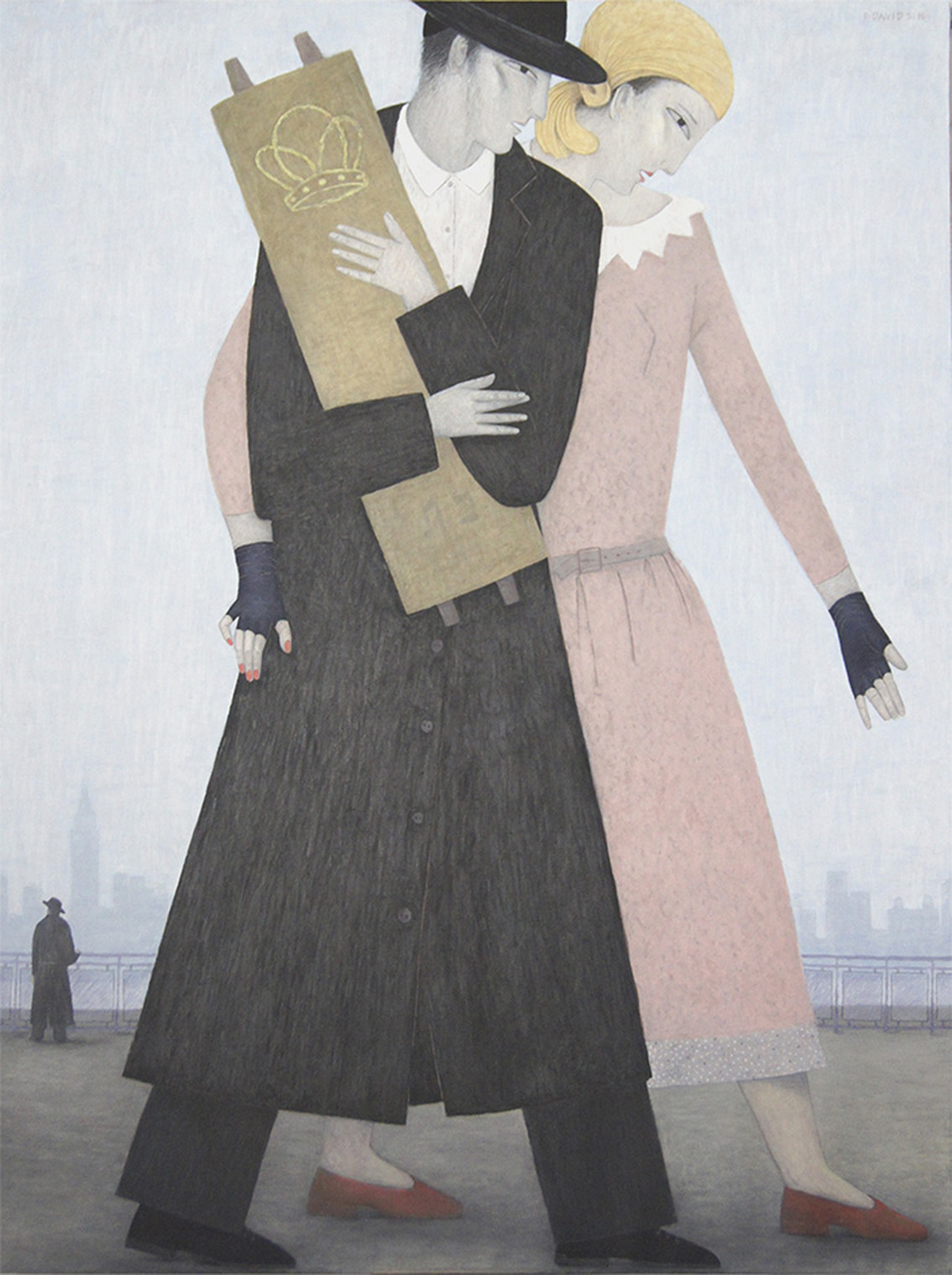
Hasidic couple in New York, painting by Roger David, 150 cm x 201 cm, oil on canvas, 2016. This file is licensed under the Creative Commons Attribution-Share Alike 4.0 International license. https://commons.wikimedia.org/wiki/File:Hasidic_couple_in_New_York,_painting_by_Roger_David.jpg
David also maps out the historical context of this remarkable phenomenon. He discusses opposition that emerged in large parts of the Jewish world to Chassidic ideas and practice and the destructive nature of some of these conflicts. He also considers a number of interesting developments that resulted in Jewish history in the wake of Chassidism.
In this Jewish history lecture, David explores the early years of the 18th century, heavily overshadowed by two significant and difficult events of the 1600s – the cataclysm of the Khmelnytsky Massacres and the enormous reverberations of disappointment that followed the false messiah, Shabtai Tzvi.
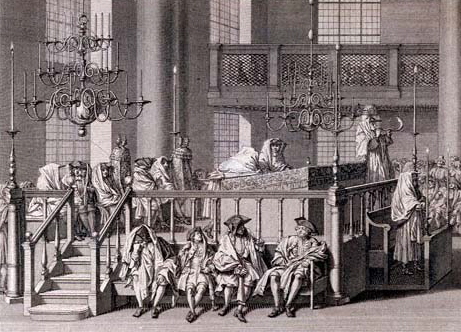
The Sounding of the Shofar on Rosh Hashanah, illustration circa 1733–1739 by Bernard Picart from “The Ceremonies and Religious Customs of the Various Nations of the Known World”, dated between circa 1733 and circa 1739. Public domain.
He discusses Jewish communities of importance in the 1700s – Prague, Amsterdam, Thessaloniki, and Livorno. He also explores the lives, contributions, controversies, and legacies of notable figures associated with these communities, including:
Glückel of Hameln
David Nieto
Nehemiah Hayyun
Moses Hagiz
Tzvi Ashkenazi, known as the Chacham Tzvi
Jonathan Eybeschutz
Jacob Emden
Moshe Chaim Luzzatto, known as the Ramchal.
David also addresses the impacts of:
the Enlightenment
the rise of capitalism and mercantilism
changes in political structures and government.
This remarkable hundred-year period not only contained a vast collection of towering individuals, but also brought a range of cultural, intellectual, and spiritual developments that would shape the modern Jewish world.
In this absorbing Jewish history lecture, David examines the stories and contributions of nine remarkable, often powerful, Jewish women from the period of the second temple in Jerusalem, including:
Queen Esther
Judith (Yehudit)
Hannah and her seven sons
Hannah Maccabee
Queen Salome (Shlomtzion)
Queen Miriam
Queen Mariamne
Berenice
Drusilla.
David also explains how the changing political and cultural landscape impacted women’s rights, roles, and opportunities during a period that included:
Persian rule
Hellenic rule
Hasmonean rule
Roman rule.
Moreover, he provides historical background and context to this time in Jewish history, packed with complex political intrigue, military machinations, civil war, and regime changes.
Watch a video slideshow of the podcast lecture on Youtube below.
For centuries, Jewish communities were known for producing doctors of the highest order. Even in the most profound climates of anti-semitism, kings and nobles sought the care of Jewish physicians. In this podcast episode, David examines the period he refers to as the “century of the Jewish doctor” for its examples of remarkable figures who lead the way in medical treatment and research.
In the first millennia BCE, the prophets of Israel launched an unprecedented spiritual revolution, the impact of which has resonated throughout the ages and across the world. In this fascinating lecture, David presents an overview of the twelve ‘minor’ prophets of Israel. Although their messages contained profound insight, analysis, and inspiration, these prophets are known in English as ‘minor’ because their books are short compared to those of the ‘major’ prophets: Isaiah, Jeremiah, and Ezekiel. With lightning speed and characteristic clarity, David takes us through the story of these prophets and reminds us of the remarkable relevance of their words for us today.
In this podcast episode, David examines the life and ideas of the following prophets:
Hosea
Joel (Yoel)
Amos
Obadiah (Ovadiah)
Jonah (Yonah)
Micah
Nachum
Habakkuk
Zephaniah
Haggai
Zechariah
Malachi
He places these prophets in their historical context, looking at the following periods and events:
life in the northern Kingdom of Israel and the Kingdom of Judea (Judah)
the destruction of the northern kingdom by the Assyrians
the assault on Jerusalem by the Assyrians
the defeat of the Assyrians by the Persians
the Babylonian exile
the return to Zion and the rebuilding of Jerusalem under the proclamation of Cyrus
Although the Holocaust looms large as the defining feature of Jewish life in Germany, it was not an isolated historical event for German Jews. The Shoa followed a long and tragic trail of massacres, pogroms, and persecutions. However, the historical relationship between the Jewish and German peoples consisted of more than bloodshed and hardship. As David explains in this lecture, “the symbiotic relationship between the Jews of Germany and the general German population was nothing short of astounding.”
In this podcast episode, From Exile in Paradise to Redemption in Hell Jews and Judaism in Germany: past, present, and future, David explores the long and fascinating story of German Jewish life, from the days of the Roman Empire to the present, covering:
Jews and the Roman Empire
the beginnings of Ashkenazi Jewry and the influence of Rabbeinu Gershom
the Rhineland Massacres of the 11th century, known in Jewish history as the Akedah
Meir of Rottenberg and Asher ben Yechiel
the constant return of Jews to Germany despite ongoing persecution and recurring massacres
the impact of the Reformation
the restriction of Jews to money lending and their subsequent influence on economic policy
Moses Mendelssohn, the Enlightenment, and secular Judaism
Jewish conversion to Christianity as an essential requirement for advancement in 19th Germany
Jewish mystical interpretations of the relationship between Jews and Germany
the growth of contemporary Jewish communities in Germany
the enormity of the Shoa and its place in history
the integral nature of Jews to German life and history.
Beginning in the year 66 CE, the Jewish Revolt in the land of Israel launched a decades-long conflict with the Roman Empire. In this podcast episode, David examines three Roman sieges of Judean fortified towns and cities, culminating in the devastation of the destruction of Jerusalem in 70CE. He describes the key characters during this period, including the Jewish commander-turned-historian Josephus and the Roman general Vespasian, a master of siege warfare. David also creates a vivid picture of each of the battles, setting the scene, recreating the tensions, and leading us to the inevitable catastrophic end.
This Jewish history lecture includes discussions on the:
historical context leading up to the Jewish Revolt of 66 CE
political and geographical necessities for Rome in subduing the Jewish rebellion
character and military experience of Vespasian
strengths and flaws of the Jewish commanders, including Elazar ben Shimon and Josephus
devastation of Jewish factionalism and zealotry
military capabilities and technological ingenuity of the various forces, including the importance of engineering
role played by the environment and terrain in the sieges
use of military intelligence
catastrophic destruction and the enormous loss of life
implications for Jewish life in the land of Israel.
Maps
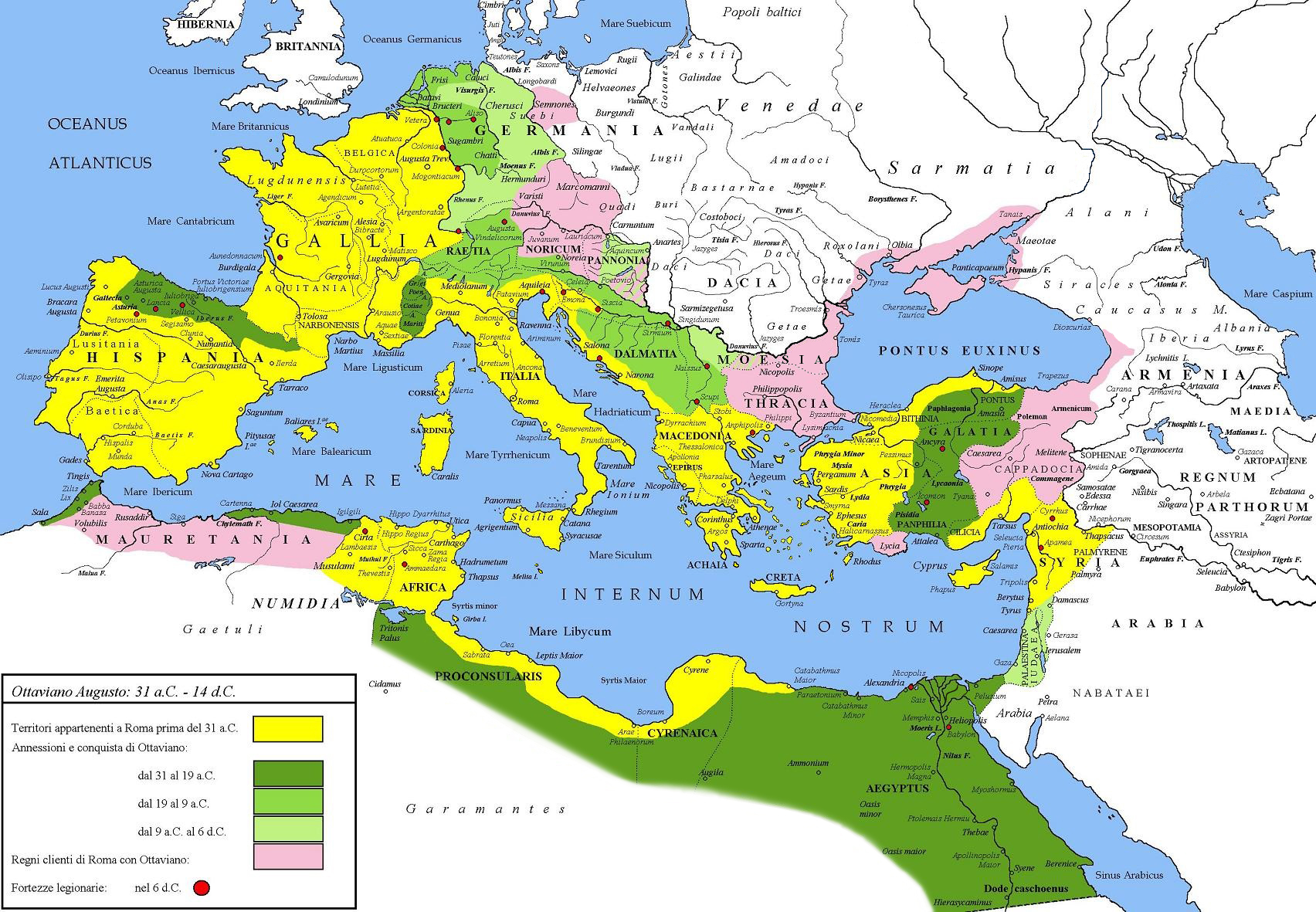
Extent of the Roman Empire under Augustus. Yellow represents the extent of the Republic in 31 BC, while green represents gradually conquered territories under the reign of Augustus, and pink areas represent client states. CC BY-SA 3.0. Images by Cristiano64. https://en.wikipedia.org/wiki/Pax_Romana#/media/File:Impero_romano_sotto_Ottaviano_Augusto_30aC_-_6dC.jpg
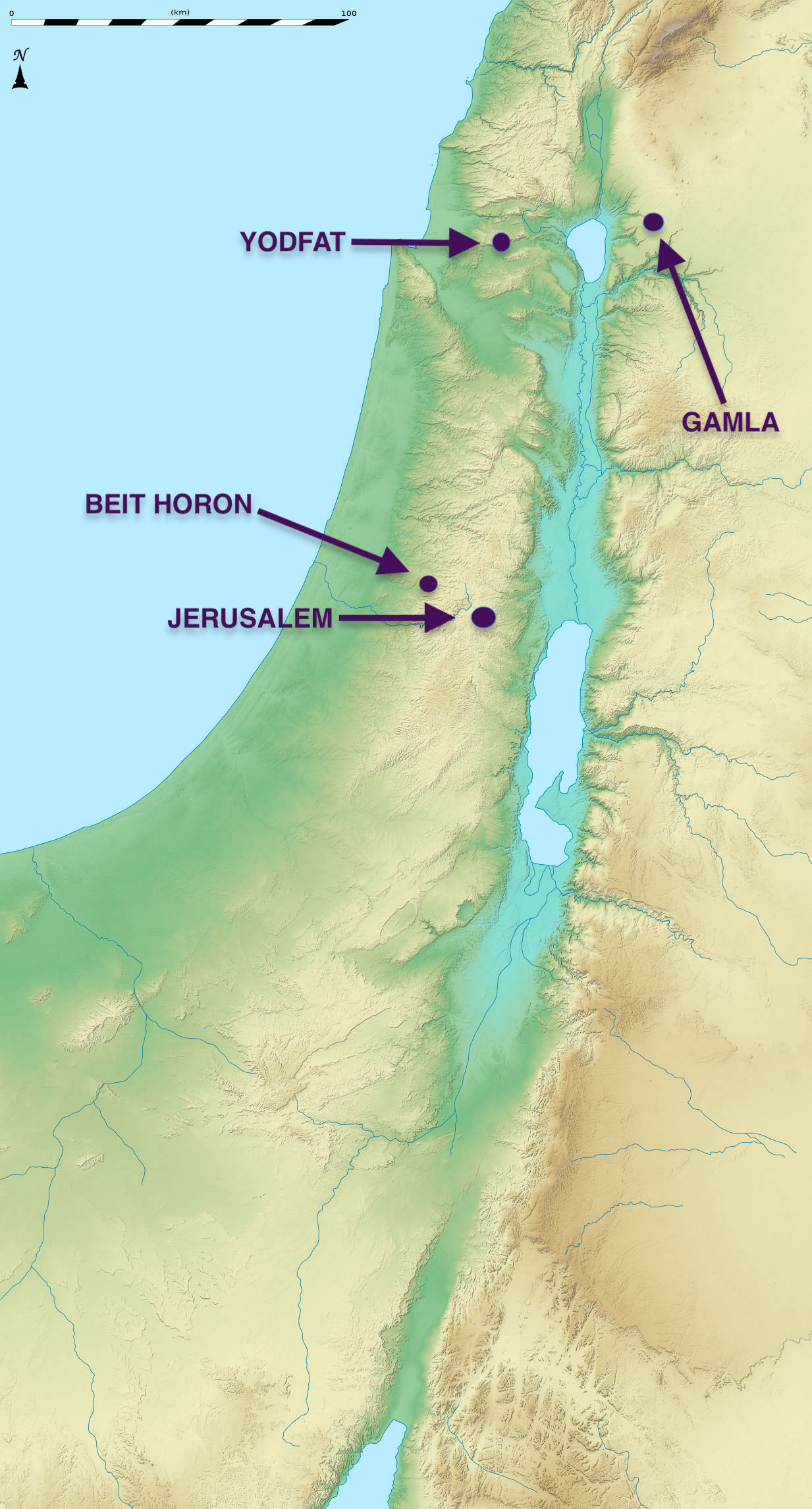
Israel relief location map-blank by Eric Gaba – Wikimedia Commons user: Sting. Additions by M Solomon – geographical placements rough depictions only https://commons.wikimedia.org/wiki/File:Israel_relief_location_map-blank.jpg
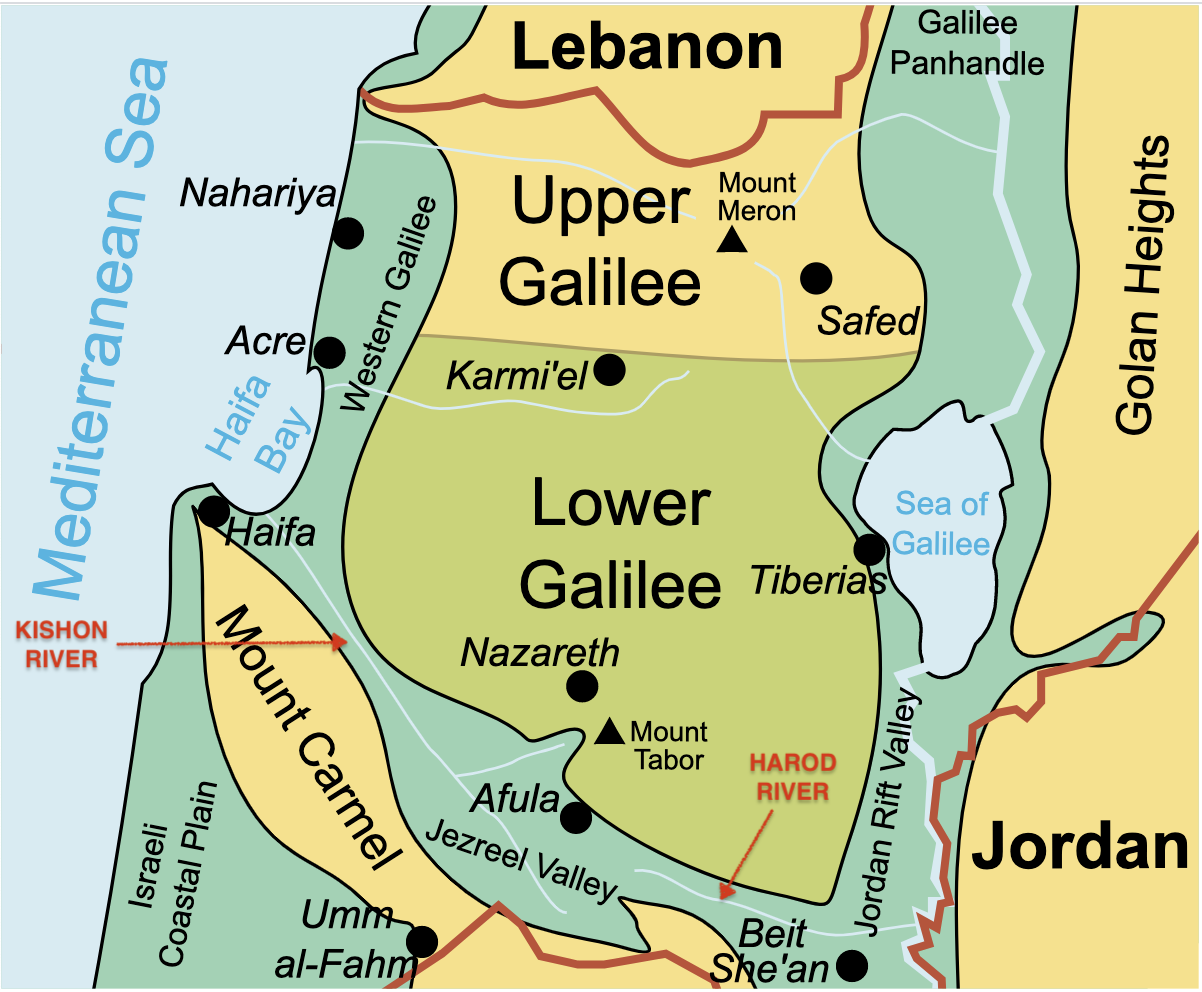
Map of Lower Galil provided under a Creative Commons licence by Daniel Baránek with additions from M Solomon (https://commons.wikimedia.org/wiki/File:Lower_Galilee_map.svg)
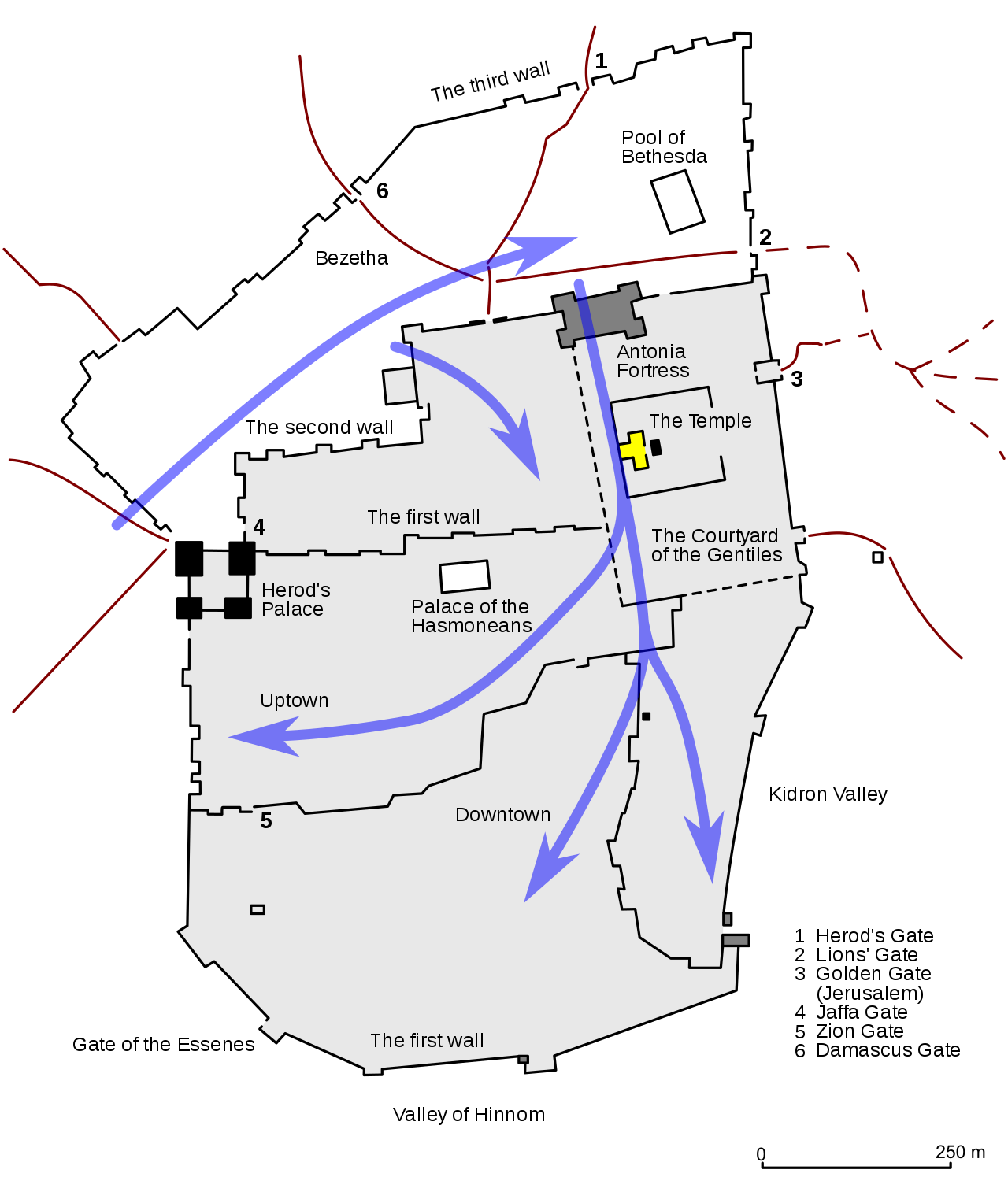
Map indicating progress of the Roman army during the siege by Goran tek-en. Creative Commons Attribution-Share Alike 4.0 International. https://en.wikipedia.org/wiki/Siege_of_Jerusalem_(70_CE)#/media/File:Siege_of_Jerusalem_(70_CE)-en.svg
Archeological sites
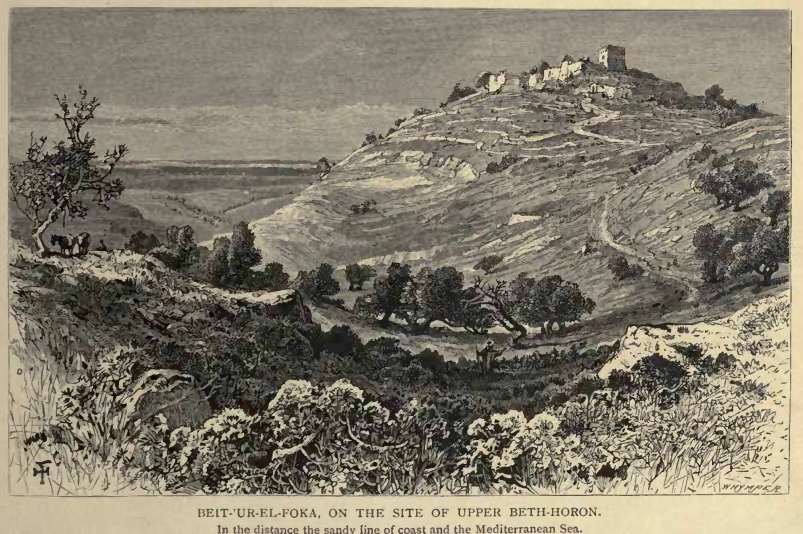
Bethoron Elyon; Beth-Horon in 1880.Picturesque Palestine, Sinai and Egypt D. Appleton New York 1883. Public domain.
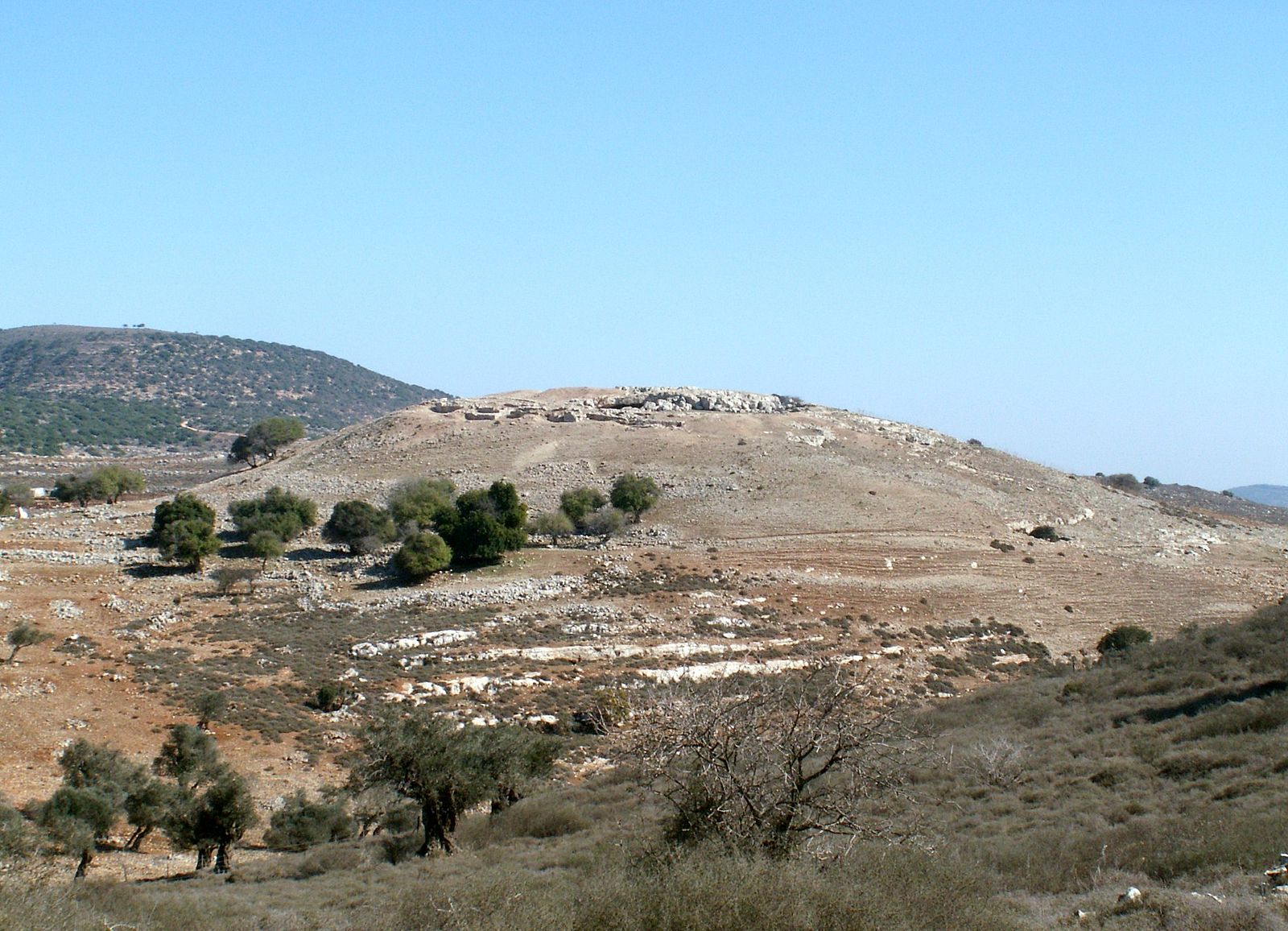
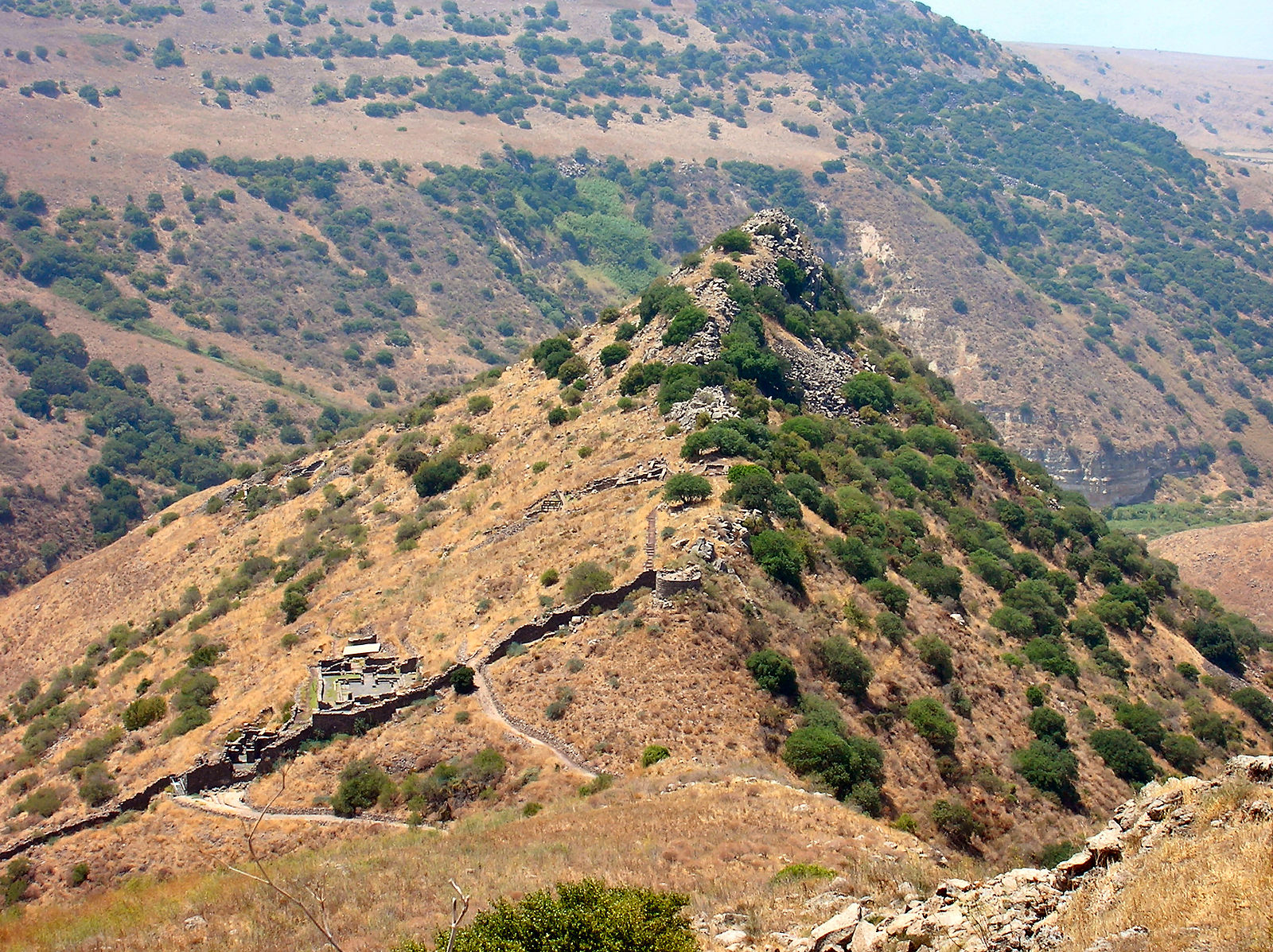
Hilltop location of ancient Yodfat (Jotapata), showing excavated remains of fortifications by Oren Dozen. This file is licensed under the Creative Commons Attribution-Share Alike 3.0 Unported license. https://commons.wikimedia.org/wiki/File:Yodfat_071108_001.jpg
Gamla view. Public domain.https://ang.wikipedia.org/wiki/Ymele:Golan_Heights_-_Gamla_view.jpg#/media/Ymele:Golan_Heights_-_Gamla_view.jpg
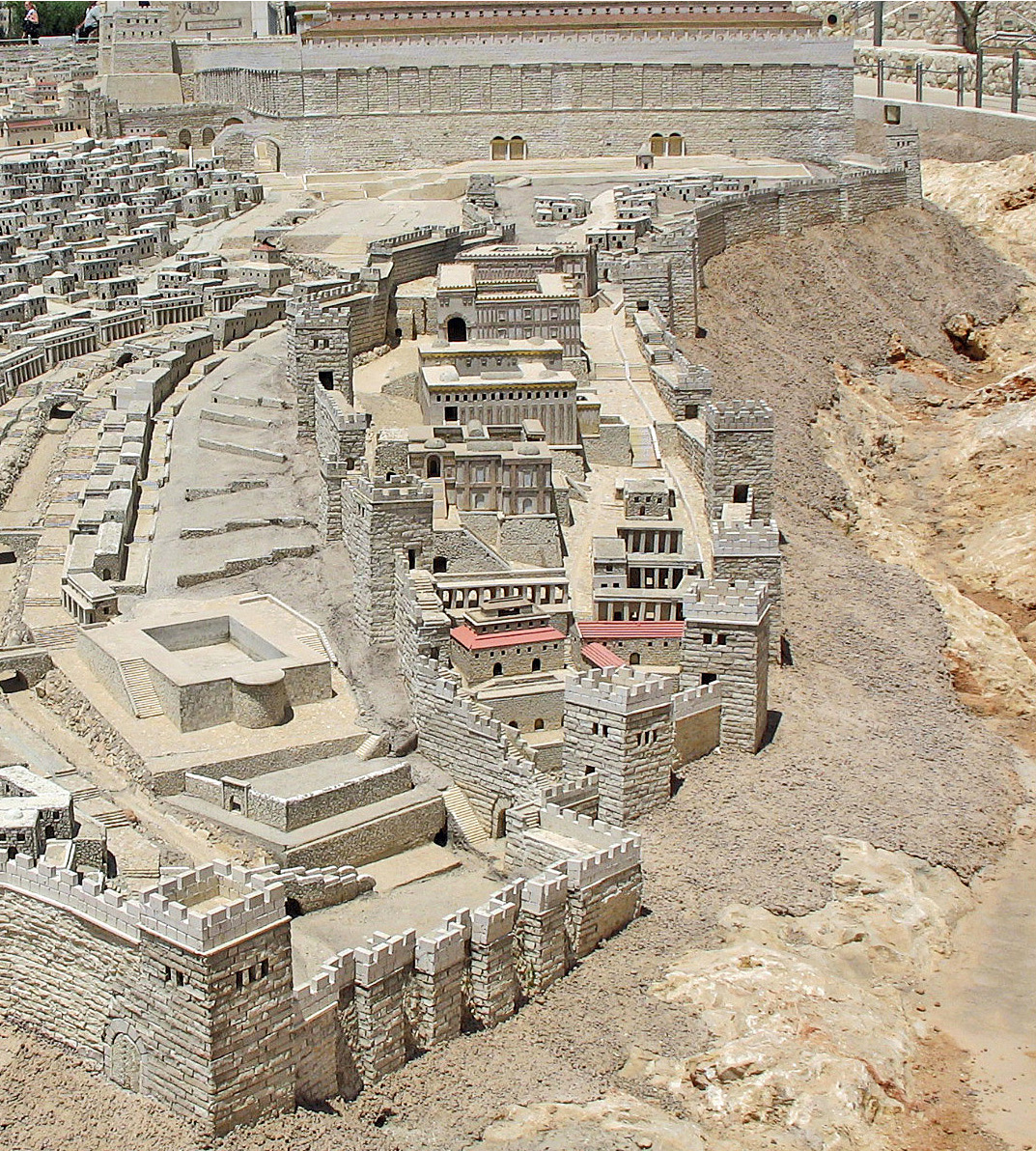
The Second Jerusalem Temple. Model in the Israel Museum. Image provided by Ariely and licensed under the Creative Commons Attribution 3.0 Unported license. https://commons.wikimedia.org/wiki/File:Bethoron_Elyon_-_Upper_Bethoron_1880.jpg
Find more of David Solomon’s podcast, with dozens of lectures on Jewish history, the Bible, Jewish philosophy, and Kabbalah here.
The early victories of the Maccabees over the Seleucid armies have been etched into Jewish memory in the form of the festival of Hanukkah. In this podcast episode, David examines the first four of these Maccabean victories with a focus on the insight, bravery, and military ingenuity of Judea’s guerrilla fighters. Continuing with his exploration of the role played by the geography and topography of the land of Israel in these battles, David offers a rare insight into why, how, and what was involved in these historic events. He also shares his view on the place these victories should take in our historical celebration of the miracle of Hanukkah.
For listeners to the podcast who can not see the maps David draws in this lecture, we have provided a series of graphics in pdf that capture the information provided on the whiteboard. To gain the most from this lecture, we recommend referring to these maps as you listen.
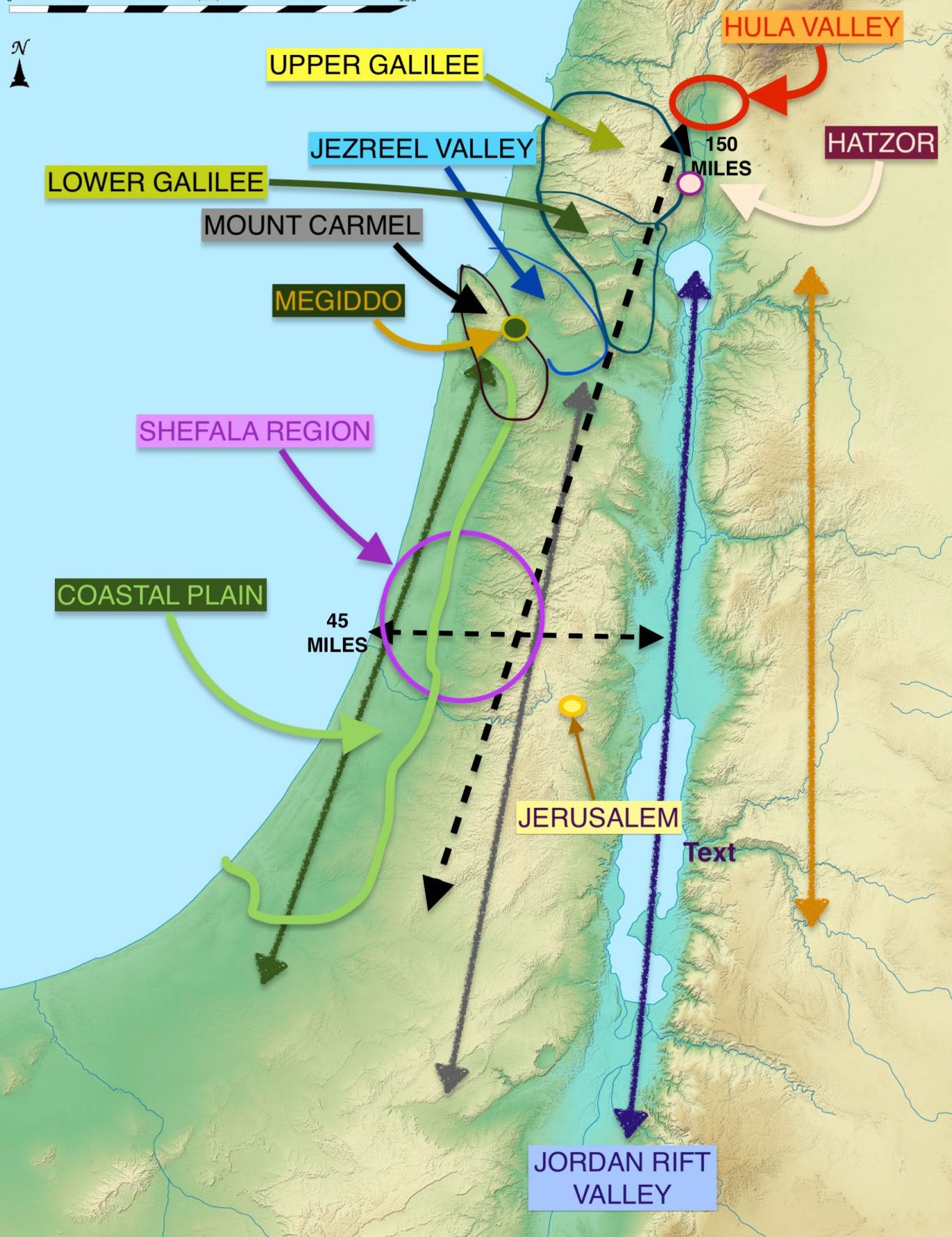
Rough outline of geography & topography of Land of Israel in relation to Maccabean victories. Image created by M Solomon using creative commons map by Sting (see https://commons.wikimedia.org/wiki/File:Israel_relief_location_map-blank.jpg)
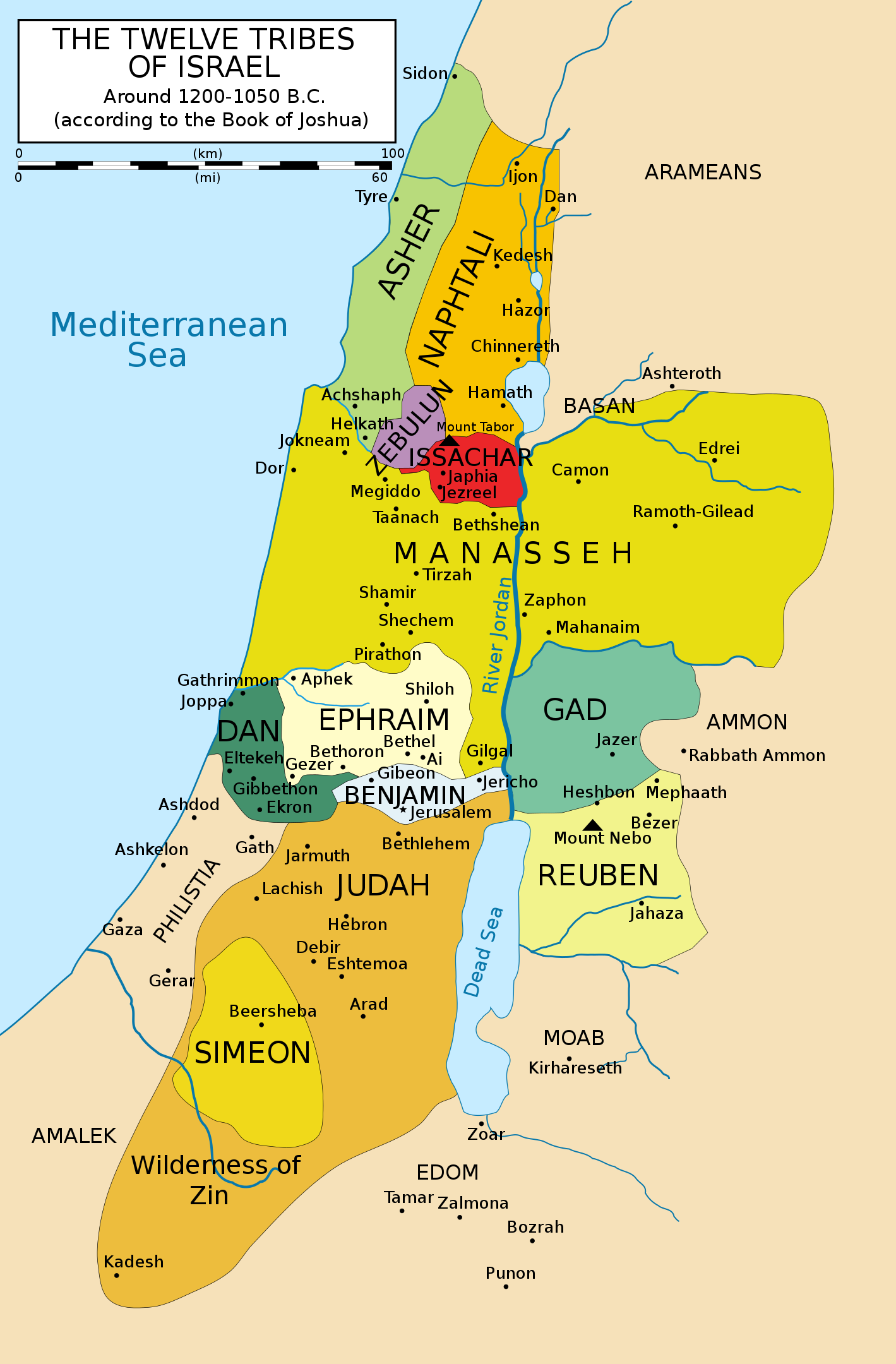
By 12 tribus de Israel.svg: Translated by Kordas12 staemme israels heb.svg: by user:יוסי12 staemme israels.png: by user:Janzderivative work Richardprins (talk) – 12 tribus de Israel.svg12 staemme israels heb.svg12 staemme israels.png, CC BY-SA 3.0, https://commons.wikimedia.org/w/index.php?curid=10865624
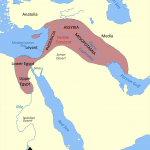
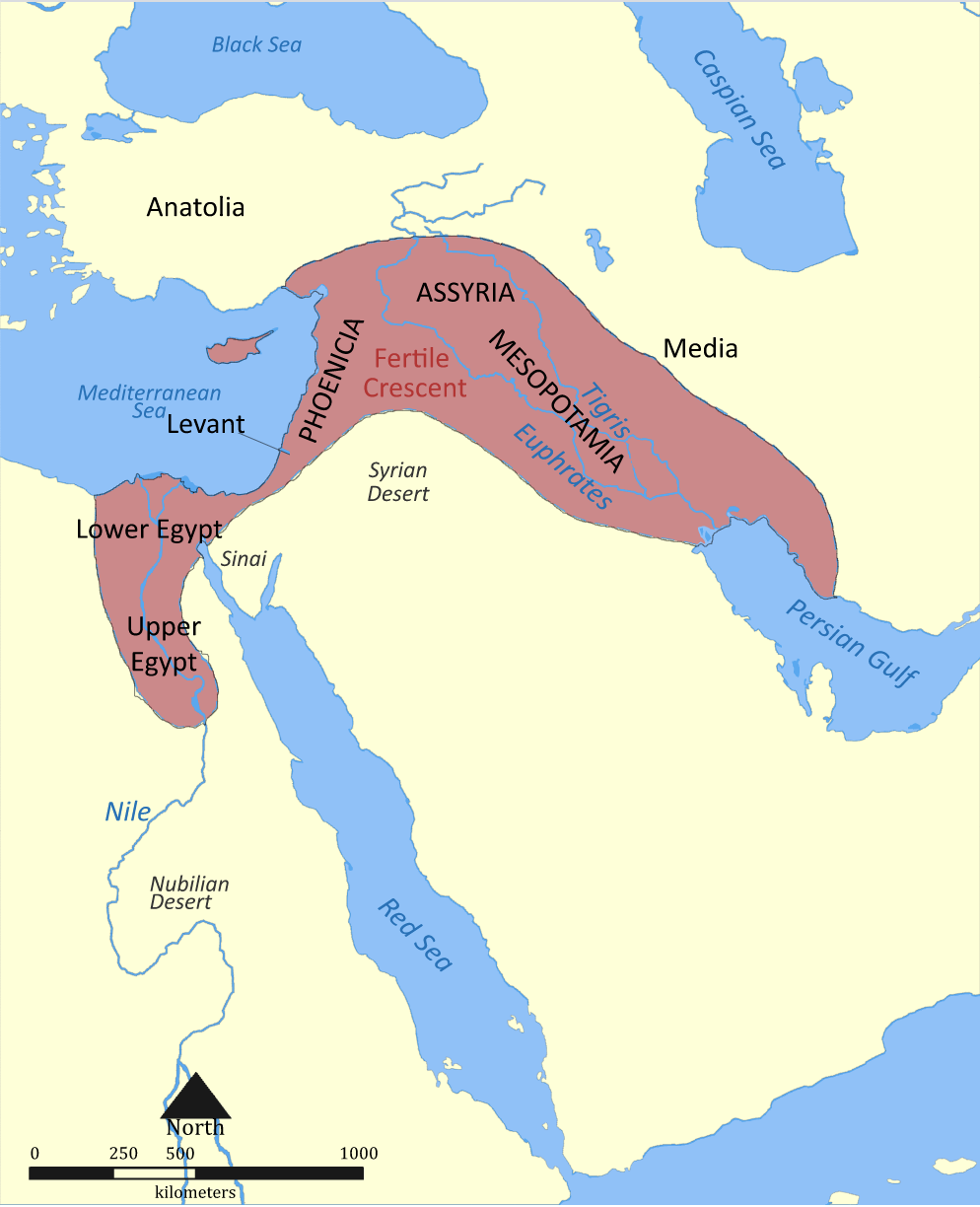
By Nafsadh – Map of fertile cresent.png, CC BY-SA 4.0, https://commons.wikimedia.org/w/index.php?curid=15272124
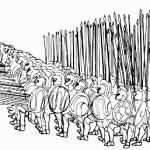
Depiction of a Macedonian phalanx: this graphic was first published in May, Elmer; Stadler, Gerald; Votaw, John; Griess, Thomas (series ed) (1984) Ancient and Medieval Warfare: The History of the Strategies, Tactics, and Leadership of Classical Warfare, New Jersey, United States: Avery Publishing Group. Public Domain.
The earliest detailed accounts we have of military contests between the Jewish people and their enemies are found in the Bible. In this podcast episode, the first in a four-part series on great battles of Jewish History, David examines three events from the books of Judges and Samuel in which the Jewish people experience war. Beginning with an in-depth exploration of the fundamental role played by the geography and topography of the land, David explains how an understanding of these details can transform our historical picture of the tactics, leadership, and circumstances of those involved. He also discusses other significant elements that led to the success or failure of each military test and how figures like Devorah and Barak, Gidon, and Saul each fared in these critical moments of individual and national survival.
For listeners to the podcast who can not see the maps David draws in this lecture, we have provided a series of graphics that capture the information provided on the whiteboard. In order to gain the most from this lecture, we recommend referring to these maps as you listen.
Geography & topography of Land of Israel. Image created by M Solomon using creative commons map by Sting (see https://commons.wikimedia.org/wiki/File:Israel_relief_location_map-blank.jpg)
By 12 tribus de Israel.svg: Translated by Kordas12 staemme israels heb.svg: by user:יוסי12 staemme israels.png: by user:Janzderivative work Richardprins (talk) – 12 tribus de Israel.svg12 staemme israels heb.svg12 staemme israels.png, CC BY-SA 3.0, https://commons.wikimedia.org/w/index.php?curid=10865624
Map of Lower Galil provided under a Creative Commons licence by Daniel Baránek with additions from M Solomon (https://commons.wikimedia.org/wiki/File:Lower_Galilee_map.svg)
By Nafsadh – Map of fertile cresent.png, CC BY-SA 4.0, https://commons.wikimedia.org/w/index.php?curid=15272124
Kefitzat haderech, roughly translated as instant travel, is an idea in Judaism that a person can travel from one location to another in a moment – a type of Jewish teleportation. In this podcast episode, David discusses this fascinating concept and its place in Jewish life and texts. He explains four methods for achieving instant travel and the place teleportation will have in messianic times. David also describes several intriguing episodes in Jewish history in which this extraordinary mode of movement is said to have occurred.
This website uses cookies to improve your experience. We'll assume you're ok with this, but you can opt-out if you wish.AcceptRead More
Privacy & Cookies Policy
Privacy Overview
This website uses cookies to improve your experience while you navigate through the website. Out of these cookies, the cookies that are categorized as necessary are stored on your browser as they are essential for the working of basic functionalities of the website. We also use third-party cookies that help us analyze and understand how you use this website. These cookies will be stored in your browser only with your consent. You also have the option to opt-out of these cookies. But opting out of some of these cookies may have an effect on your browsing experience.
Necessary cookies are absolutely essential for the website to function properly. This category only includes cookies that ensures basic functionalities and security features of the website. These cookies do not store any personal information.
Any cookies that may not be particularly necessary for the website to function and is used specifically to collect user personal data via analytics, ads, other embedded contents are termed as non-necessary cookies. It is mandatory to procure user consent prior to running these cookies on your website.