David Solomon explores messiahs of the modern period of Jewish history and the dangers of mystical attempts to bring about redemption.
Among the figures David discusses are:
Yosef Della Reina
Rabbi Avraham ben Eliezer ha-Levi
Shlomo Molcho and David haReuveni
Asher Lemlein
Rabbi Ḥayyim Vital
Shabbetai Zvi
Rabbi Chaim Luzzatto, the Ramchal
Rabbi Israel ben Eliezer, the Baal Shem Tov
Jacob Frank
Gaon of Vilna
Rabbi Nachman of Breslov
Hannah Rachel Verbermacher, the Maid of Ludmir
Rav Abraham Isaac Kook
Theodor Herzl
Rabbi Menachem Mendel Schneersohn, the Lubavitcher Rebbe
Ideas that the lecture examines include:
a return to the apocalyptic- this time with mystical magic
the transformation of Christianity
the concept of a ‘special time’
end times
prophecy
redeeming the sparks
the antinomian messiah
redemptive consciousness
kabbalistic efforts to bring redemption
sexual practices to bring the special soul
the redemptive spirit in the special soul.
David discusses the stories of these fascinating messianic figures and thinkers and unpacks their ideas, influences, and contributions to history as well as to the ever-developing notion of redemption and messianic fulfillment.
David Solomon explores the evolution of the messianic idea in Jewish history following the Second Temple era. He examines how circumstances and events propelled transformations in messianic thought. With the Temple’s destruction in 70 CE, David traces the emergence of apocalyptic notions fused to Davidic restoration hopes. He then analyses and contrasts two radically different messianic claimants who arose from this milieu – Jesus of Nazareth and Simeon Bar Kokhba.
Apocalyptic Yearnings in Late Second Temple Times
David emphasises the atmosphere of messianic tension permeating Judea in the late Second Temple period. Oppressive Roman rule prevented fulfilment of biblical redemption prophecies. This spurred apocalyptic thinking – a sense of two worlds, the imperfect present and ideal future. The Dead Sea Scrolls reflect these millenarian hopes for divinely ordained transition to a new cosmic age.
David notes scholarly debate on when eschatological expectations welded onto the Davidic messiah idea. But he argues this fusion clearly occurred by the first century BCE, shaping subsequent movements and claimants. With autonomy lost and foreign domination entrenched, only apocalyptic transformation through divine intervention could realise Jewish sovereignty and freedom.
Jesus of Nazareth – Warrior, Healer, King
This milieu generated numerous messianic figures, with Jesus of Nazareth the most impactful. While historical scepticism exists, David focuses on Jesus’ messianism rather than biographical details. He embodied the diverse facets expected of a redeemer – warrior, healer, and ultimately king of Davidic descent. However, Jesus diverged radically in rejecting violence and earthly power.
David provocatively depicts Jesus as a reform rabbi who challenged the oral law. Through his death, Jesus claimed to fulfil Torah commandments, allowing salvation by faith rather than deeds. But Christianity’s offer of individual salvation clashed with Judaism’s demands for social redemption and justice. This fault line ultimately yielded separation.
Simeon Bar Kokhba – Military Messiah
In 132-135 CE, Simeon Bar Kokhba led a rebellion against Roman rule banned central Jewish practices. With rabbinic backing, he was briefly hailed as Messiah for this defence of Judaism. But his movement’s catastrophic defeat saw him rebranded “Bar Koziba” (Son of Deception). The rabbis determined that militaristic messianic adventurism merely delayed true redemption.
David highlights the vast differences between Jesus’ non-violence and Bar Kokhba’s martial messianism. Yet both emerged from Jewish apocalyptic yearnings in this era.
Arthur Szyk: Bar Kochba, watercolour and gouache on paper, 1927.
The Dual Messiahs – Polarities Reconciled
In the failure of these claimants, David sees the beginnings of the dual messiah concept developed subsequently – Mashiach ben David and Mashiach ben Yosef. This incorporated both perspectives, with the warrior messiah sacrificing himself to enable the Davidic king’s spiritual dominion.
David concludes that the rabbis thereby created a messianic age distinct from the future world to come. While only God can bring the ultimate redemption, our efforts can bridge the present and future by creating the just, peaceful messianic era. This idea of social transformation remains Judaism’s enduring messianic legacy.
Context and Background
To properly understand this lecture, it helps to have familiarity with the basic chronology and themes of Second Temple era Jewish history that David has explored in previous talks. Key events referenced include:
Familiarity with biblical prophecies and Talmudic teachings regarding messianic expectations provides additional useful background. David’s perspective integrates historical analysis with traditional Jewish conceptual frameworks.
Conclusion
Two radically divergent messianic manifestations emerged from the tumultuous circumstances in the late Second Temple era. The many events of this time influenced theological evolution, shaping the Jewish messianic idea as it entered its next phase. Placing Judaism’s messianism within specific historical settings in context reveals its dynamism as an evolving force throughout Jewish history.
This is an AI generated summary of a transcript made of this lecture. If you discover any errors or inconsistencies, please let us know.
In these lectures, David Solomon will examine how the Jewish idea of the messiah changed over history. He starts by explaining the messiah idea is the expectation that a special time or “end of days” will come when a leader or redeemer will make the world much better. David says this idea kept evolving based on the real circumstances Jewish people faced. This first lecture looks at where the messiah idea first began in the Hebrew Bible.
In this absorbing Jewish history lecture, David examines the stories and contributions of nine remarkable, often powerful, Jewish women from the period of the second temple in Jerusalem, including:
Queen Esther
Judith (Yehudit)
Hannah and her seven sons
Hannah Maccabee
Queen Salome (Shlomtzion)
Queen Miriam
Queen Mariamne
Berenice
Drusilla.
David also explains how the changing political and cultural landscape impacted women’s rights, roles, and opportunities during a period that included:
Persian rule
Hellenic rule
Hasmonean rule
Roman rule.
Moreover, he provides historical background and context to this time in Jewish history, packed with complex political intrigue, military machinations, civil war, and regime changes.
Watch a video slideshow of the podcast lecture on Youtube below.
In the first millennia BCE, the prophets of Israel launched an unprecedented spiritual revolution, the impact of which has resonated throughout the ages and across the world. In this fascinating lecture, David presents an overview of the twelve ‘minor’ prophets of Israel. Although their messages contained profound insight, analysis, and inspiration, these prophets are known in English as ‘minor’ because their books are short compared to those of the ‘major’ prophets: Isaiah, Jeremiah, and Ezekiel. With lightning speed and characteristic clarity, David takes us through the story of these prophets and reminds us of the remarkable relevance of their words for us today.
In this podcast episode, David examines the life and ideas of the following prophets:
Hosea
Joel (Yoel)
Amos
Obadiah (Ovadiah)
Jonah (Yonah)
Micah
Nachum
Habakkuk
Zephaniah
Haggai
Zechariah
Malachi
He places these prophets in their historical context, looking at the following periods and events:
life in the northern Kingdom of Israel and the Kingdom of Judea (Judah)
the destruction of the northern kingdom by the Assyrians
the assault on Jerusalem by the Assyrians
the defeat of the Assyrians by the Persians
the Babylonian exile
the return to Zion and the rebuilding of Jerusalem under the proclamation of Cyrus
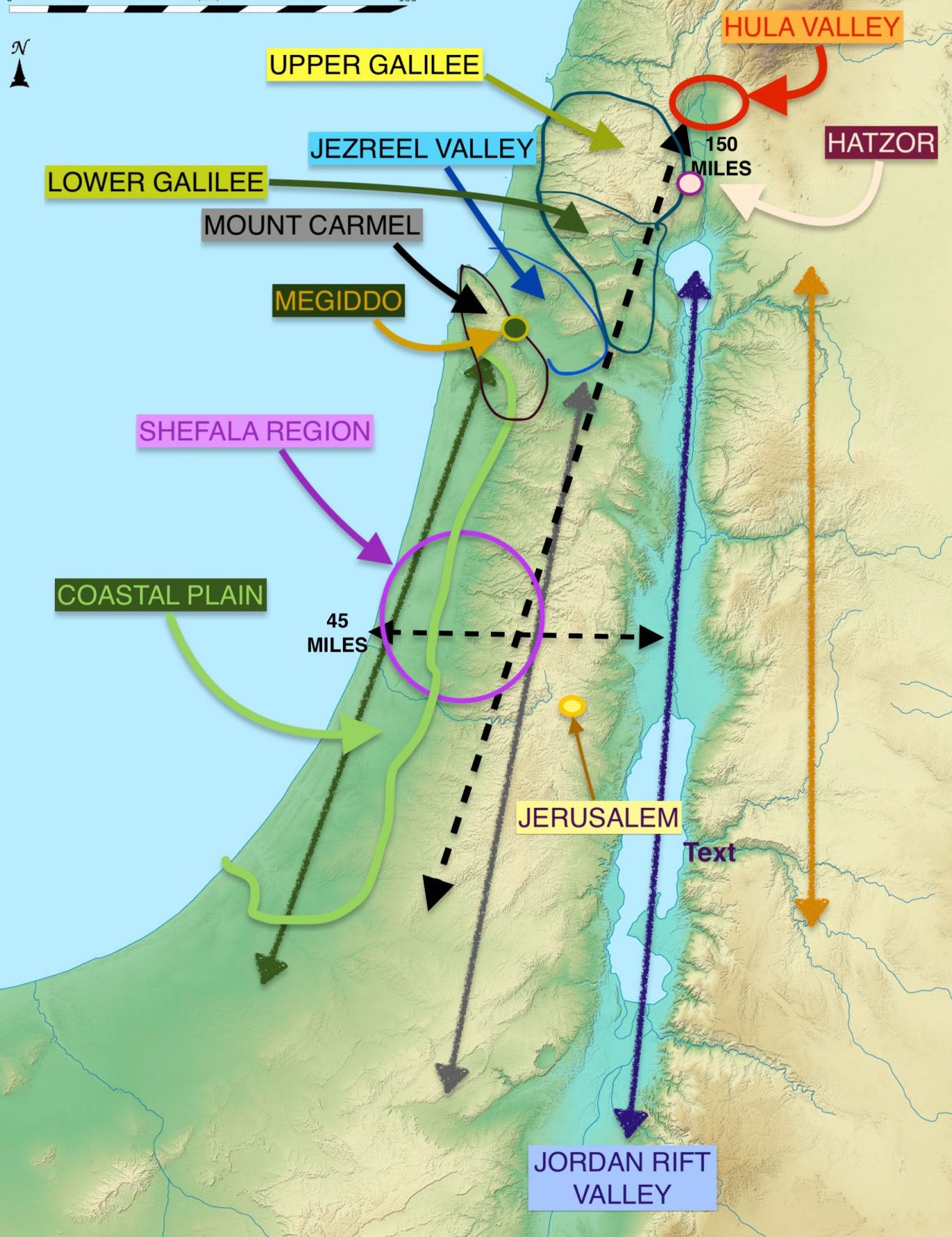
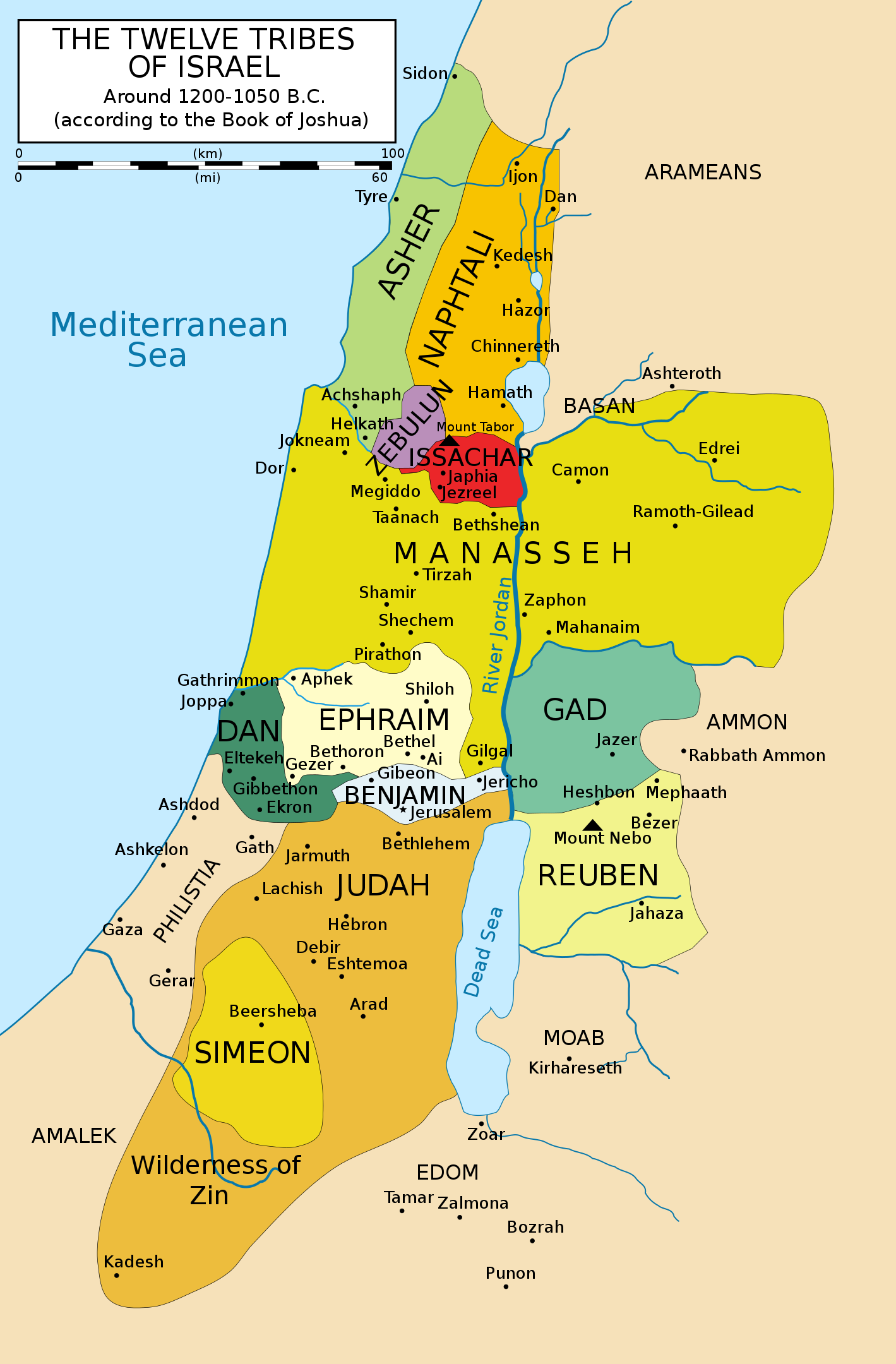
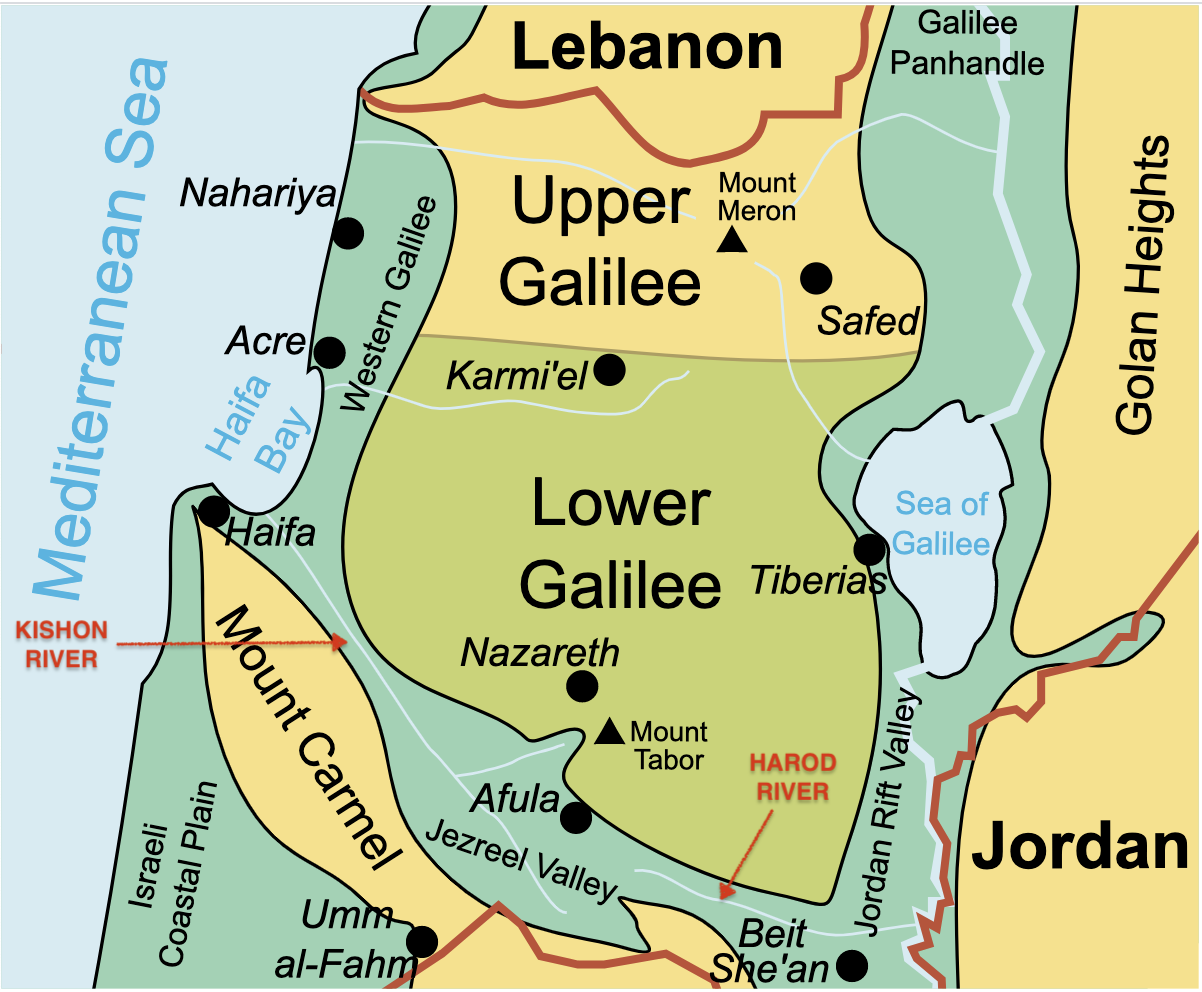
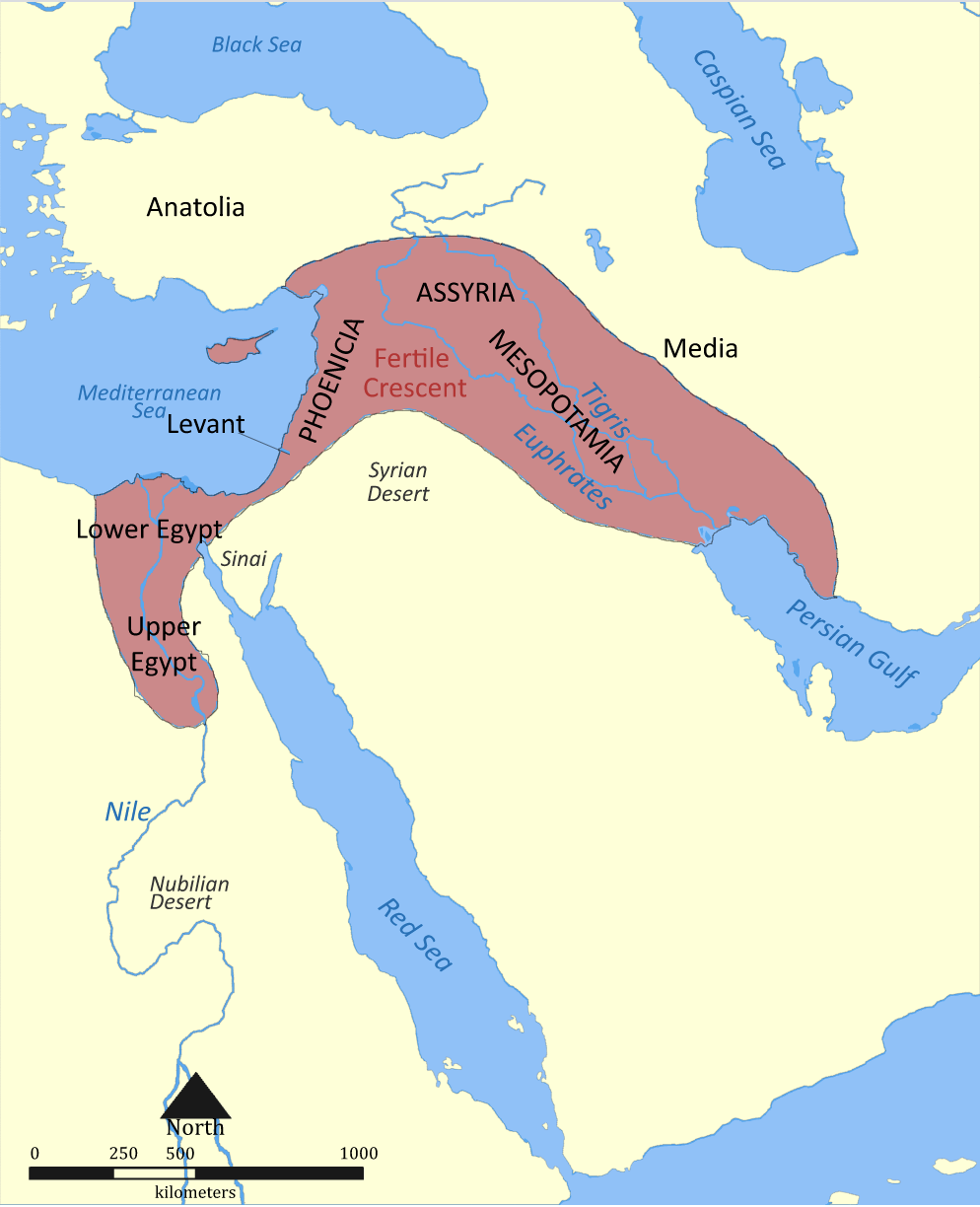
The earliest detailed accounts we have of military contests between the Jewish people and their enemies are found in the Bible. In this podcast episode, the first in a four-part series on great battles of Jewish History, David examines three events from the books of Judges and Samuel in which the Jewish people experience war. Beginning with an in-depth exploration of the fundamental role played by the geography and topography of the land, David explains how an understanding of these details can transform our historical picture of the tactics, leadership, and circumstances of those involved. He also discusses other significant elements that led to the success or failure of each military test and how figures like Devorah and Barak, Gidon, and Saul each fared in these critical moments of individual and national survival.
For listeners to the podcast who can not see the maps David draws in this lecture, we have provided a series of graphics that capture the information provided on the whiteboard. In order to gain the most from this lecture, we recommend referring to these maps as you listen.
Geography & topography of Land of Israel. Image created by M Solomon using creative commons map by Sting (see https://commons.wikimedia.org/wiki/File:Israel_relief_location_map-blank.jpg)
By 12 tribus de Israel.svg: Translated by Kordas12 staemme israels heb.svg: by user:יוסי12 staemme israels.png: by user:Janzderivative work Richardprins (talk) – 12 tribus de Israel.svg12 staemme israels heb.svg12 staemme israels.png, CC BY-SA 3.0, https://commons.wikimedia.org/w/index.php?curid=10865624
Map of Lower Galil provided under a Creative Commons licence by Daniel Baránek with additions from M Solomon (https://commons.wikimedia.org/wiki/File:Lower_Galilee_map.svg)
By Nafsadh – Map of fertile cresent.png, CC BY-SA 4.0, https://commons.wikimedia.org/w/index.php?curid=15272124
Kefitzat haderech, roughly translated as instant travel, is an idea in Judaism that a person can travel from one location to another in a moment – a type of Jewish teleportation. In this podcast episode, David discusses this fascinating concept and its place in Jewish life and texts. He explains four methods for achieving instant travel and the place teleportation will have in messianic times. David also describes several intriguing episodes in Jewish history in which this extraordinary mode of movement is said to have occurred.
The 1400s in Jewish history was a time of turbulence and uncertainty while also a period of tremendous Jewish intellectual and mystical exploration. In this podcast episode, the last of the three-part series ‘Hope in Darkness: Jewish History of the 14th and 15th Centuries’, David examines the lives of several fascinating figures and their contributions to Jewish and world thinking. However, it is the enormity of the historical events that shaped the Jewish experience of the time, particularly in Europe, that dominates much of the material discussed in this episode. David explores the impact of printing on Jewish life and learning; the increasing interest in Hebrew and Jewish texts among Christian scholars; and the devastating consequences arising from the union of Ferdinand II of Aragon and Isabella I of Castile, leading to the unrelenting cruelty of the Inquisition and the eventual cataclysmic expulsion of the Jews of Spain.
The concept of teshuva – usually translated in English as “repentance” but literally meaning “return” – is, as David discusses in this episode, a phenomenal idea in Judaism that a person can be defined, not simply by what they do, but by their ability to change. This podcast episode, coming in advance of Yom Kippur, is unusual in that it brings together segments of lectures David has given over the years on the subject of teshuva. Starting with an in-depth examination of the Book of Yonah (Jonah), which we read on Yom Kippur, he explores Biblical and Talmudic stories that raise discussions about what we can do – and what we should do – when our behaviour is found wanting. David also explores 20th-century Jewish philosophical ideas on the meaning of teshuva for us as individuals and for the world.
Yom Kippur in the Jerusalem Temple. Illustrator of Henry Davenport Northrop’s “Treasures of the Bible,” 1894. Public Domain.
A Podcast on the Prophets of Israel in Tanach (Hebrew Bible)
The Trei Asar, known in English as the twelve ‘minor’ prophets, have been fundamental to the transmission of ideas and moral perspectives through the past two and a half millennia. In this podcast episode, the final instalment of this four-part series on the prophets of Israel for Elul, David explores the fascinating lives, historical context, and profound messages of these spiritual giants. In dynamic succinctness, David marches through the short but canonical texts of Hosea, Yoel, and Amos; Ovadiah, Yonah, and Micah; Nachum, Habakkuk, and Zephaniah; Haggai, Zechariah, and Malachi. David explains the importance of each book and their contributions to Jewish and world spirituality.
Find ‘Collected Talks of David Solomon’ on the Jewish podcast rating list at Feedspot.
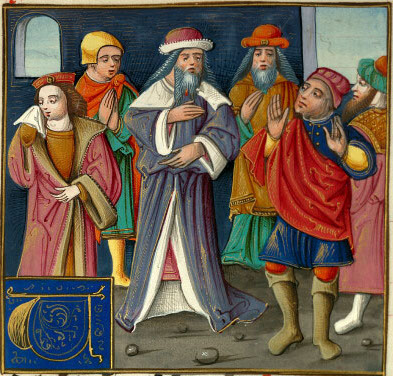
Sophonie s’adressant au peuple. Valenciennes – BM – ms. 0007 (f. 183). 16th century. Public Domain.
This website uses cookies to improve your experience. We'll assume you're ok with this, but you can opt-out if you wish.AcceptRead More
Privacy & Cookies Policy
Privacy Overview
This website uses cookies to improve your experience while you navigate through the website. Out of these cookies, the cookies that are categorized as necessary are stored on your browser as they are essential for the working of basic functionalities of the website. We also use third-party cookies that help us analyze and understand how you use this website. These cookies will be stored in your browser only with your consent. You also have the option to opt-out of these cookies. But opting out of some of these cookies may have an effect on your browsing experience.
Necessary cookies are absolutely essential for the website to function properly. This category only includes cookies that ensures basic functionalities and security features of the website. These cookies do not store any personal information.
Any cookies that may not be particularly necessary for the website to function and is used specifically to collect user personal data via analytics, ads, other embedded contents are termed as non-necessary cookies. It is mandatory to procure user consent prior to running these cookies on your website.