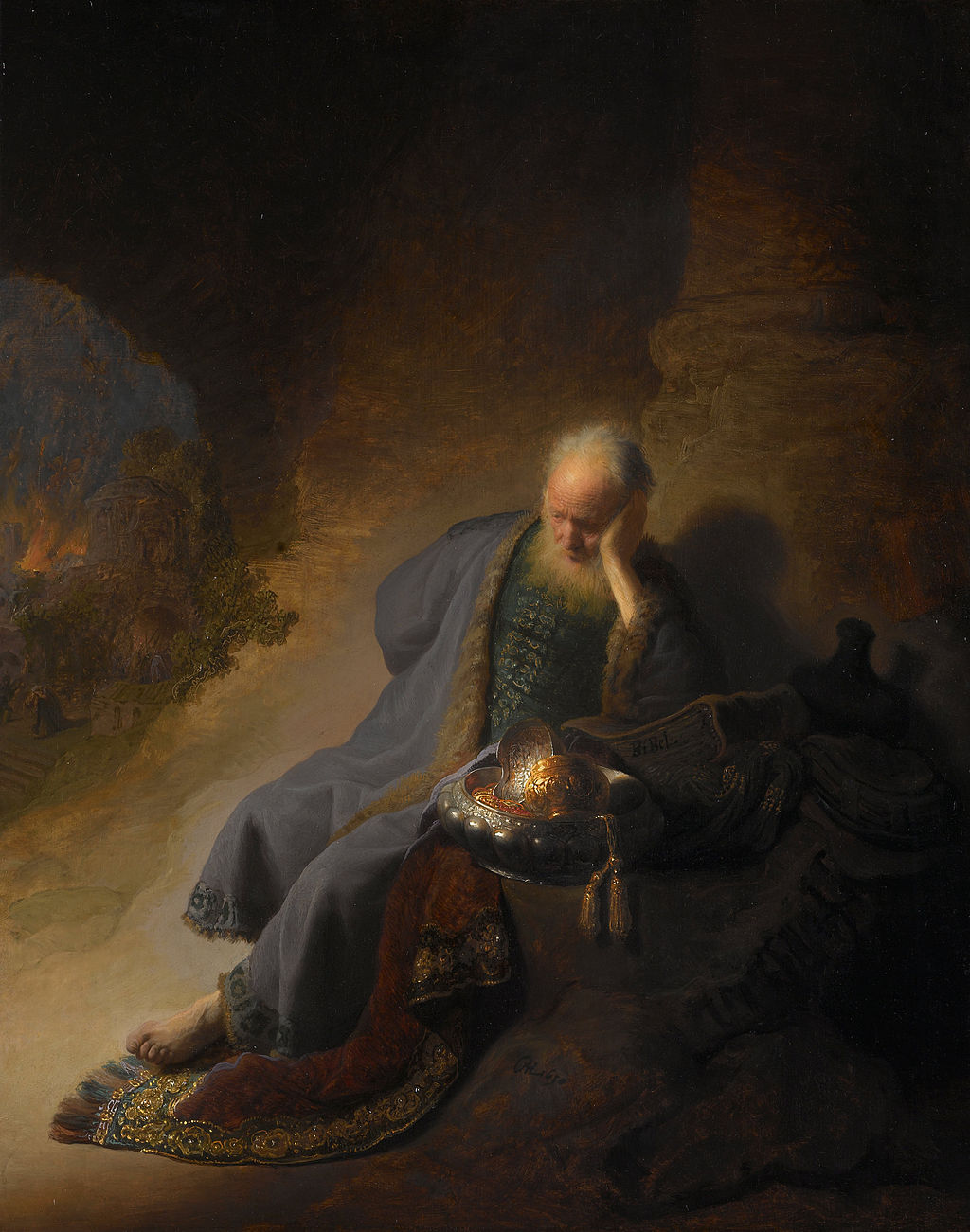
In these lectures, David Solomon will examine how the Jewish idea of the messiah changed over history. He starts by explaining the messiah idea is the expectation that a special time or “end of days” will come when a leader or redeemer will make the world much better. David says this idea kept evolving based on the real circumstances Jewish people faced. This first lecture looks at where the messiah idea first began in the Hebrew Bible.
#99 The Power of Change, the Challenge of Teshuva (2)
Part two of David Solomon’s Zoom series, The Power of Change, the Challenge of Teshuva, looks at the idea of individual and collective teshuvah in Tanach.
The lecture examines the story of the prophet Jonah and the teshuvah of the city of Nineveh. David explores different views around the city’s repentance and its connection to the divine message entrusted to Jonah for the population. He also discusses Jonah’s struggle with the responsibilities placed upon him and his path towards his own teshuvah.
The other story examined in this episode is that of Menasseh, King of Judah. David discusses prophetic passages that deal with Menasseh’s repentance and its reflection in the general prophetic narrative on teshuvah.
As always, David provides overall context to these biblical texts and their associated messages. He also reminds us of the opportunities they offer in our own explorations in teshuvah.
Podcast: Play in new window | Download (Duration: 31:06 — 18.3MB)
Continue reading “#99 The Power of Change, the Challenge of Teshuva (2)”
#93 The Twelve Minor Prophets (4)
David Solomon examines the prophets who lived during the period after Israel’s return to Zion, following the Babylonian exile, namely:
- Hagai
- Zechariah
- Malachi.
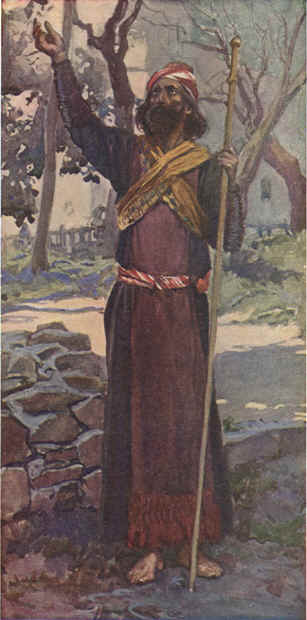
With their unique post-exilic messages, these three prophets addressed the concerns of a population grappling with rebuilding Jerusalem after generations away. Some of the ideas expressed in their powerful prophetic books include:
- the need to rebuild the leadership of Israel
- the importance of building a new temple in Jerusalem
- a call to do teshuva
- rebuilding oneself through dialogue with God
- the failure of previous generations
- creating righteous leadership
- ecstatic visions
- the implications of changing geopolitical realities
- false prophecy
- the end of the prophetic epoch.
David closely examines key passages of these biblical texts, explaining their meaning and the implications of their messages.
As always, he places the prophets, their lives, and their words in historical context. He also emphasises the lasting importance of their ideas for the Jewish people as a nation and for us all as individuals.
Podcast: Play in new window | Download (Duration: 1:28:10 — 85.0MB)
#92 The Twelve Minor Prophets (3)
Part three of David Solomon’s lecture series on the Trei Asar, the twelve ‘minor’ prophets of Israel, examines the texts and themes of:
- Nachum,
- Habakkuk, and
- Tzephaniah.
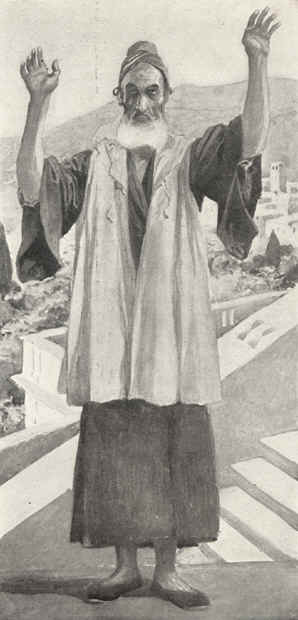
While these three books are short in length, David explains the importance of each, their place in the prophetic continuum, and how they sit in relation to significant moments in biblical and world history.
The lecture delves into the prophets’ exploration of:
- the destruction of Assyria
- the rise of Babylonia
- the destruction of the enemies of Israel
- the destruction of sinners
- the fall of Jerusalem
- the need for teshuva and self-improvement
- justice for the nations
- divine justice
- the role of God in history
- the power of the God of Israel.
David provides a historical framework for each of the prophets. He reviews the details of their lives and puts the enormity of their words into context.
Podcast: Play in new window | Download (Duration: 1:37:04 — 88.6MB)
#91 The Twelve Minor Prophets (2)
This second instalment of David Solomon’s series on the Trei Asar, the twelve “minor” prophets, explores the lives and books of:
- Ovadiah (Obadiah),
- Yonah (Jonah), and
- Michah.
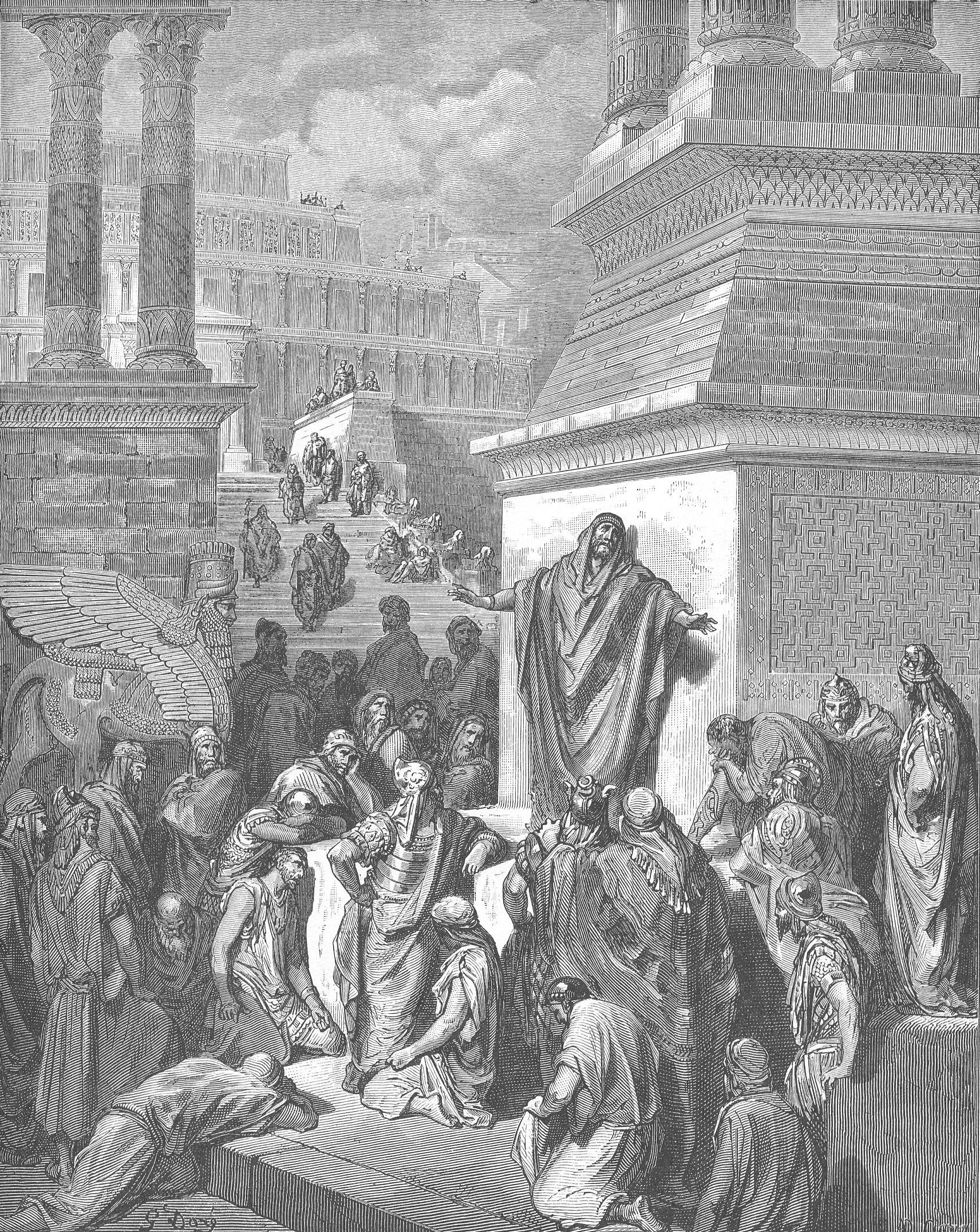
David examines the historical contexts of all three prophets and how they are reflected in the texts. He also discusses the key themes in these three prophetic books, including:
- national and individual teshuvah
- the destruction of the Kingdom of Israel
- false prophets and prophecy
- Edom and its spiritual and geo-historical connections
- destinations of exile
- messianic visions
- the importance of ethical and just behaviour.
In exploring these themes, David also delves into the words of these prophets. He examines, line-by-line, some of the key passages of the books and reveals the remarkable power and substance of these fundamental sacred works.
Podcast: Play in new window | Download (Duration: 1:29:47 — 84.1MB)
#90 The Twelve Minor Prophets (1)
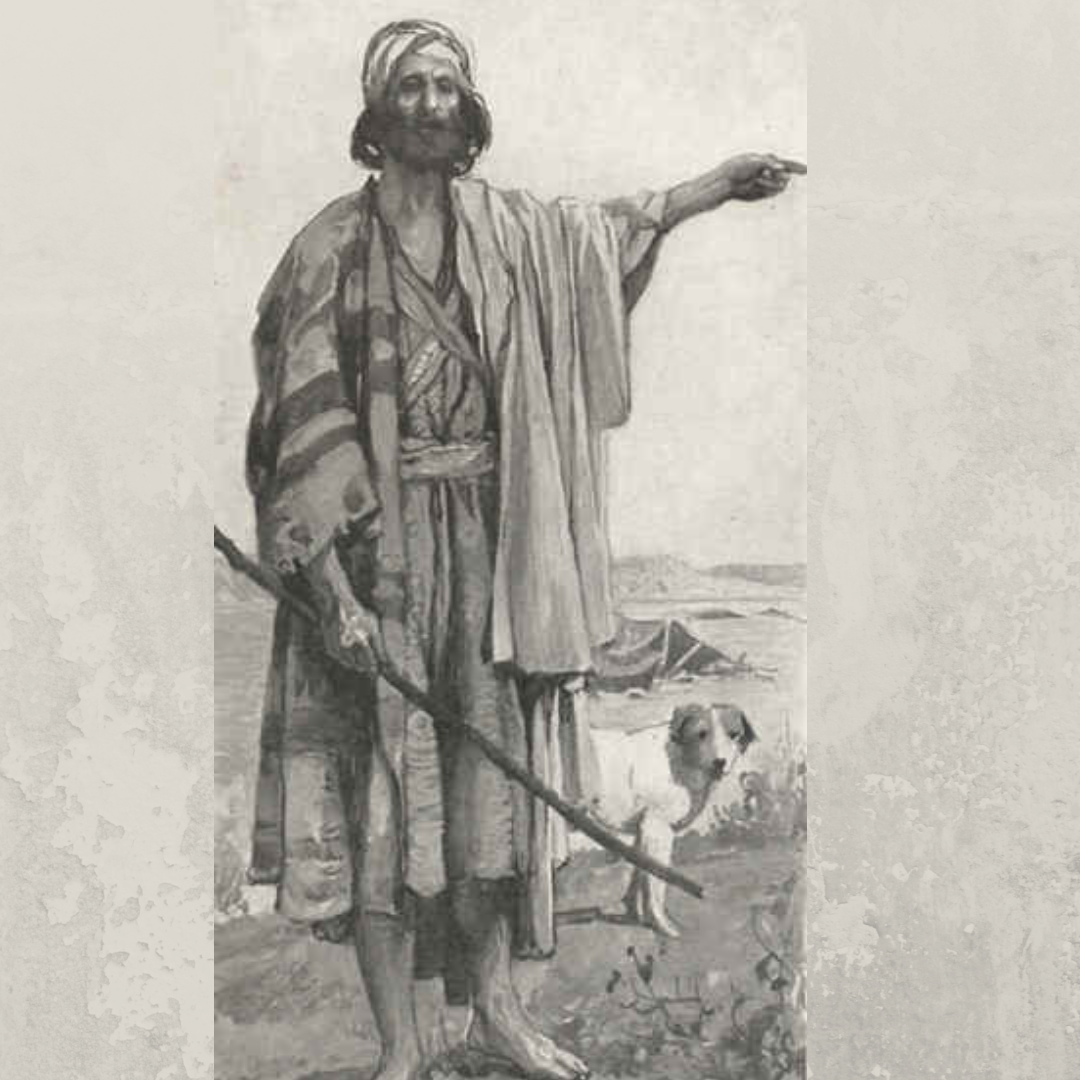
This first lecture in David’s four-part series on the Trei Asar, the twelve minor prophets, explores how these remarkable biblical figures transformed the idea of religious practice – in particular, the way in which nations and individuals should worship a divine entity that cannot be seen.
In this talk, David examines the lives and messages of the first three of these twelve prophets:
- Hoshea (Hosea)
- Amos
- Yoel (Joel).
Throughout the lecture, David discusses the prophetic themes contained within the books, including that:
-
-
- God is the God of the whole world
- nations are judged
- Israel is judged on its behavior as a society of individuals
- the importance of teshuva for individuals and nations
- the messianic age
- God’s relationship with the people of Israel
- justice is more important than sacrifice.
-
The talk outlines the historical and geopolitical contexts for these prophets and their messages. David also flags the cultural and spiritual legacies of these remarkable biblical figures.
Podcast: Play in new window | Download (Duration: 1:34:10 — 89.9MB)
#71 A Prophetic Revolution In One Hour
In the first millennia BCE, the prophets of Israel launched an unprecedented spiritual revolution, the impact of which has resonated throughout the ages and across the world. In this fascinating lecture, David presents an overview of the twelve ‘minor’ prophets of Israel. Although their messages contained profound insight, analysis, and inspiration, these prophets are known in English as ‘minor’ because their books are short compared to those of the ‘major’ prophets: Isaiah, Jeremiah, and Ezekiel. With lightning speed and characteristic clarity, David takes us through the story of these prophets and reminds us of the remarkable relevance of their words for us today.
In this podcast episode, David examines the life and ideas of the following prophets:
-
Hosea
-
Joel (Yoel)
-
Amos
-
Obadiah (Ovadiah)
-
Jonah (Yonah)
-
Micah
-
Nachum
-
Habakkuk
-
Zephaniah
-
Haggai
-
Zechariah
-
Malachi
He places these prophets in their historical context, looking at the following periods and events:
-
life in the northern Kingdom of Israel and the Kingdom of Judea (Judah)
-
the destruction of the northern kingdom by the Assyrians
-
the assault on Jerusalem by the Assyrians
-
the defeat of the Assyrians by the Persians
-
the Babylonian exile
-
the return to Zion and the rebuilding of Jerusalem under the proclamation of Cyrus
-
the beginning of the Second Temple Period.


#55 The Prophets: The Twelve ‘Minor’ Prophets
A Podcast on the Prophets of Israel in Tanach (Hebrew Bible)
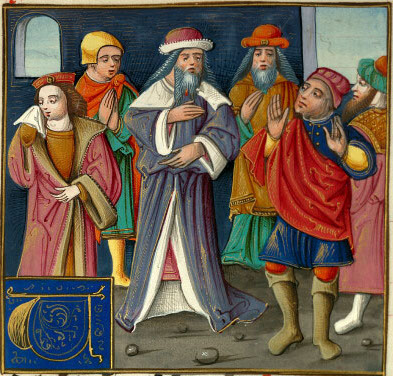
The Trei Asar, known in English as the twelve ‘minor’ prophets, have been fundamental to the transmission of ideas and moral perspectives through the past two and a half millennia. In this podcast episode, the final instalment of this four-part series on the prophets of Israel for Elul, David explores the fascinating lives, historical context, and profound messages of these spiritual giants. In dynamic succinctness, David marches through the short but canonical texts of Hosea, Yoel, and Amos; Ovadiah, Yonah, and Micah; Nachum, Habakkuk, and Zephaniah; Haggai, Zechariah, and Malachi. David explains the importance of each book and their contributions to Jewish and world spirituality.
Find ‘Collected Talks of David Solomon’ on the Jewish podcast rating list at Feedspot.
Continue reading “#55 The Prophets: The Twelve ‘Minor’ Prophets”
#54 The Prophets: Ezekiel
A Podcast on the Prophets of Israel in Tanach (Hebrew Bible)
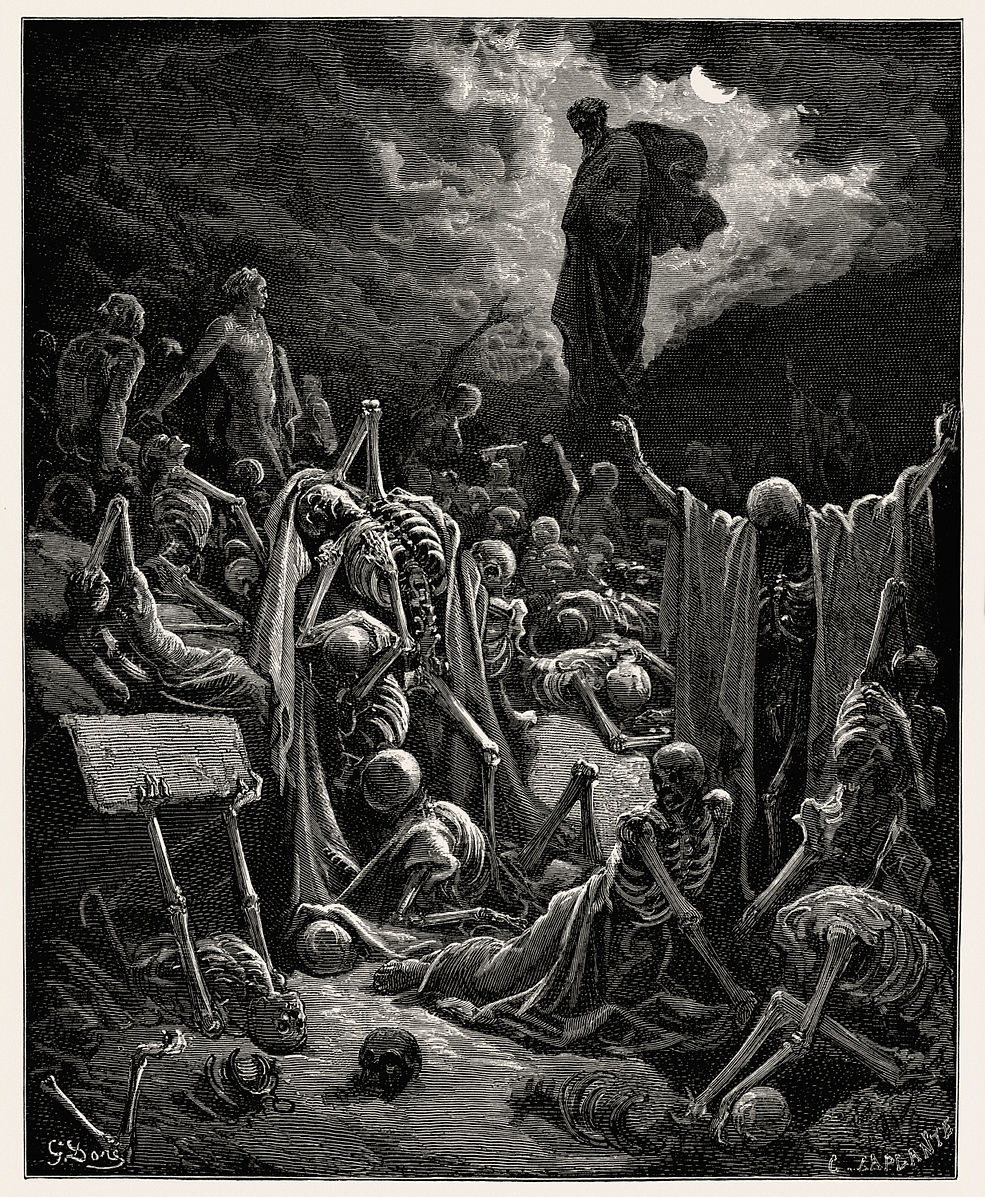
The Book of Ezekiel has been enormously influential on Jewish spirituality for two-and-a-half millennia, including as the foundational inspiration for subsequent Jewish mystical ideas and texts. In this podcast episode, David examines the life and work of the Prophet Ezekiel (Yechezkel), believed to be among the first wave of exiles taken into Babylon. It is in the Book of Ezekiel, largely set during the Babylonian exile after the destruction of the First Temple, that we find an array of profound concepts about ethical existence and societal responsibility that remain startlingly relevant until today – in particular, we can extract much from Ezekiel’s insights into teshuva and Jewish spiritual practice in times of change and uncertainty. David also explores other remarkable elements of the book, including the extraordinary descriptions of G-d’s chariot and the valley of the dry bones, as well as providing insights into the social, political, and spiritual turbulence of the time.
#53 The Prophets: Jeremiah
A Podcast on the Prophets of Israel in Tanach (Hebrew Bible)
It is impossible to understand the impact of the prophets of Israel without placing them in their historical and cultural contexts. In this podcast episode, David sets the fascinating historical background to the emergence of the second of the ‘major prophets’, Jeremiah (Yeremiyahu). He expands on the powerful and challenging messages that Jeremiah delivers to his contemporaries – many of which still strongly resonate today. David also examines the life and character of this remarkable but reluctant prophet, including his struggle with the demanding responsibilities placed upon him by G-d and the consequences that this enormous role in Jewish History would have for him.