#97 Unorthodox Episodes from the Talmud (4)

This final episode of David Solomon’s series “Unorthodox Episodes of the Talmud” explores the idea of the evil inclination – the yetzer harah – with a particular focus on problems relating to sexual temptation.

The Yetzer Harah

David explains that sages of the Talmud discussed how few things are as powerful as the desire for intimacy. This inclination affects all people, including great spiritual leaders.

Illustrating this point, David examines two stories from the Talmud. The first concerns Rabbi Amrum the Pious, a third-century sage who lived in the Babylonian city of Naharda’ah who fights his evil inclinations. The other looks at a tragi-comic story of Rabbi Hiyya bar Ashi, a student of Rav, who condemned himself in the face of temptation.

Both stories explore moral and ethical considerations concerning intentional, transgression, culpability, and redemption. Other concepts discussed include:

  • individual and communal shame – both in this world and the world to come
  • mystical manifestations of evil
  • the psychology of guilt and self-control
  • recognition of human failings
  • the power of sexual urges
  • whether thinking about a sin carries the same weight as its enactment
  • moral karma
  • the importance of remembering and respecting human relationships in our quest to do right
  • whether suicide is permitted in certain circumstances
  • the importance of humility
  • an appreciation that we may each fail when our moral will is tested.

In examining these two unorthodox Talmudic episodes, David discusses the notion that individuals are often tested in line with their unique moral parameters; that we should be wary of placing ourselves on moral pedestals because we may be found wanting; we are all responsible for our behaviour; and that we must know our limitations and our weaknesses.

Continue reading “#97 Unorthodox Episodes from the Talmud (4)”
#96 Unorthodox Episodes from the Talmud (3)

The third part of David’s series, Unorthodox Episodes from the Talmud, explores a fascinating series of interconnected stories involving:

  • a high-level international diplomatic mission, 
  • undercover rabbinical espionage,
  • a cast of remarkable Talmudic rabbinical figures,
  • parental concern,
  • a curious question of Jewish law,
  • the mystical powers of the rabbis, 
  • a sighting of looted treasures from the temple in Jerusalem,
  • and a quest to overturn devastating Roman decrees.

David discusses key Talmudic personalities from the first two centuries, including:

  • Rabbi Shimon Bar Yochai
  • Rabbi Yossi Ben Halafta
  • Rabbi Reuben Ben Strobilus
  • Rabbi Yossi HaGellili
  • Rabbi Eleizer Ben Yossi
  • as well as (lehavdil) Ben Tamalia.

He also provides historical context for the events discussed in the Talmudic passages, some of the prevailing cultural and religious norms of the time, and the messages that arise from this unorthodox episode of the Talmud.

Continue reading “#96 Unorthodox Episodes from the Talmud (3)”

#95 Unorthodox Episodes from the Talmud (2)

Part two of David’s Zoom series, Unorthodox Episodes from the Talmud, mixes Jewish history with textual learning and fascinating storytelling.

The talk continues the story begun in the previous episode regarding Rav Kahana, a third-century sage who fled Babylonian authorities to find refuge in the Land of Israel following a violent confrontation in a rabbinical court.

In this lecture, David describes the next chapter for Rav Kahana following his arrival at the prestigious yeshiva of Tiberius. Through a series of unfortunate actions and misunderstandings, Rav Kahana finds himself once again at the centre of dramatic events involving pride, regret, and death.

As David unravels this extraordinary story, he explores:

  • key Talmudic figures and their contribution to Jewish life, history, learning, and continuity
  • the relationships and tensions between some of the great Jewish figures and academies of the time
  • the political and hierarchical structures of these rabbinical academies
  • the power of the sages and consequences of unsettling them
  • how concepts of right and wrong do not always resonate through centuries
  • the unexpectedly mystical nature of elements of the Talmud.

This lecture places in context the historical situation of the Jewish communities in Babylonia and the Land of Israel. It also reminds us of the importance of Torah scholarship in relation to the shape and influence of different parts of the Jewish world.

Continue reading “#95 Unorthodox Episodes from the Talmud (2)”

#93 The Twelve Minor Prophets (4)

David Solomon examines the prophets who lived during the period after Israel’s return to Zion, following the Babylonian exile, namely:

  • Hagai
  • Zechariah
  • Malachi.
David Solomon podcast on the prophets Hagai,Zechariah, and Malachi.
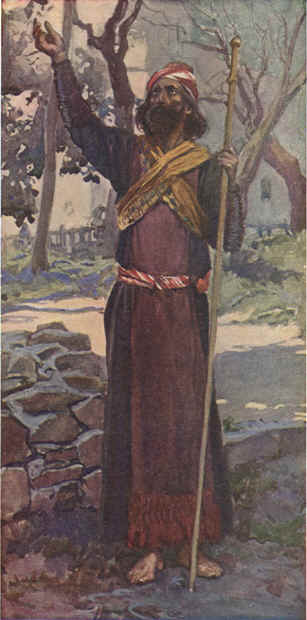
Zechariah as depicted by James Tissot. Public domain.

With their unique post-exilic messages, these three prophets addressed the concerns of a population grappling with rebuilding Jerusalem after generations away. Some of the ideas expressed in their powerful prophetic books include:

  • the need to rebuild the leadership of Israel
  • the importance of building a new temple in Jerusalem
  • a call to do teshuva
  • rebuilding oneself through dialogue with God
  • the failure of previous generations
  • creating righteous leadership
  • ecstatic visions
  • the implications of changing geopolitical realities
  • false prophecy
  • the end of the prophetic epoch.

David closely examines key passages of these biblical texts, explaining their meaning and  the implications of their messages.

As always, he places the prophets, their lives, and their words in historical context. He also emphasises the lasting importance of their ideas for the Jewish people as a nation and for us all as individuals.

Continue reading “#93 The Twelve Minor Prophets (4)”

#92 The Twelve Minor Prophets (3)

Part three of David Solomon’s lecture series on the Trei Asar, the twelve ‘minor’ prophets of Israel, examines the texts and themes of:

  • Nachum,
  • Habakkuk, and
  • Tzephaniah.
David Solomon's podcast lecture on Nachum,Habakkuk, and Tzephaniah
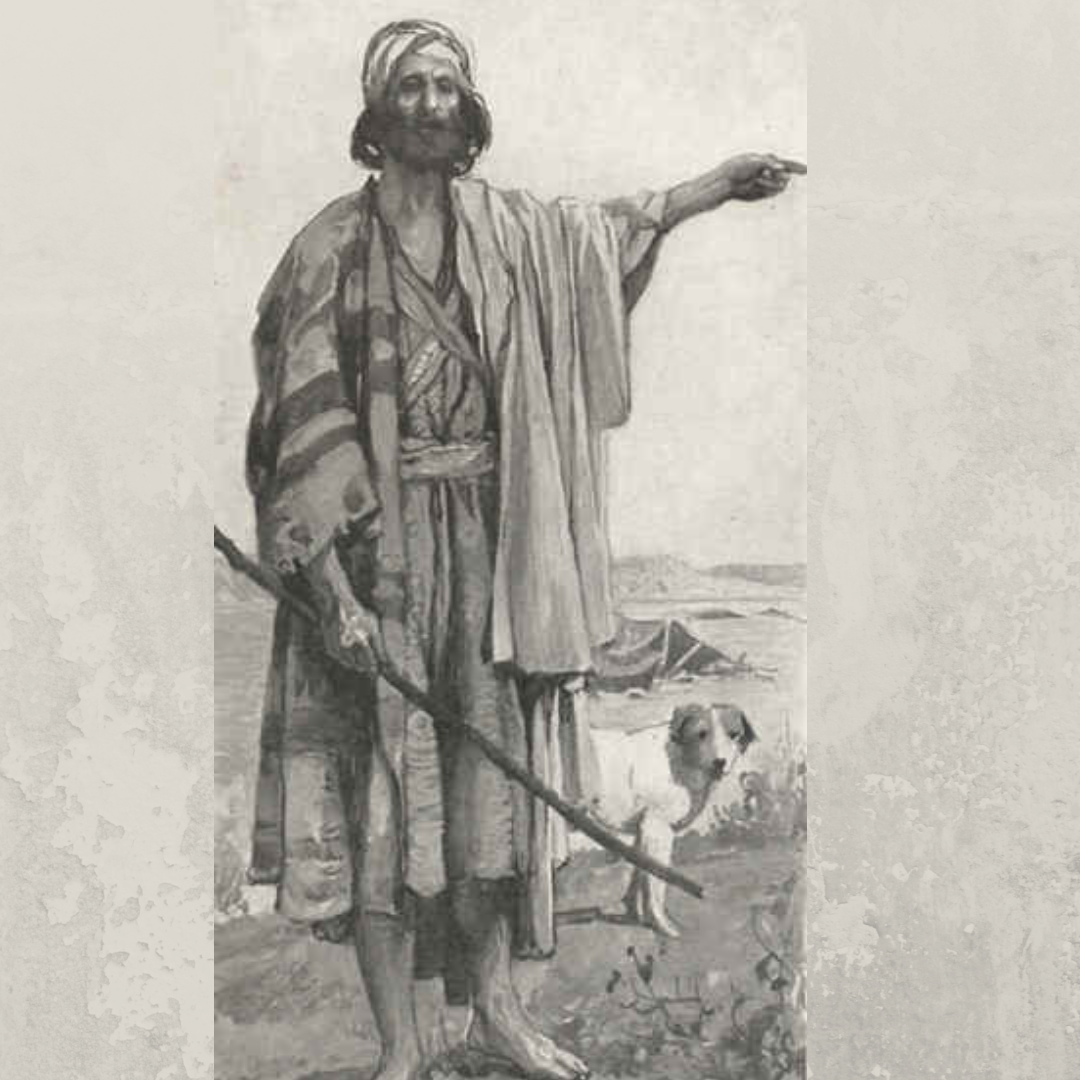
Habakkuk, the Biblical prophet, watercolor circa 1896–1902 by James Tissot. Public domain.

While these three books are short in length, David explains the importance of each, their place in the prophetic continuum, and how they sit in relation to significant moments in biblical and world history. 

The lecture delves into the prophets’ exploration of:

  • the destruction of Assyria
  • the rise of Babylonia
  • the destruction of the enemies of Israel
  • the destruction of sinners
  • the fall of Jerusalem
  • the need for teshuva and self-improvement
  • justice for the nations
  • divine justice
  • the role of God in history
  • the power of the God of Israel.

David provides a historical framework for each of the prophets. He reviews the details of their lives and puts the enormity of their words into context. 

Continue reading “#92 The Twelve Minor Prophets (3)”

#90 The Twelve Minor Prophets (1)

This first lecture in David’s four-part series on the Trei Asar, the twelve minor prophets, explores how these remarkable biblical figures transformed the idea of religious practice – in particular, the way in which nations and individuals should worship a divine entity that cannot be seen.

In this talk, David examines the lives and messages of the first three of these twelve prophets:

  • Hoshea (Hosea)
  • Amos
  • Yoel (Joel).
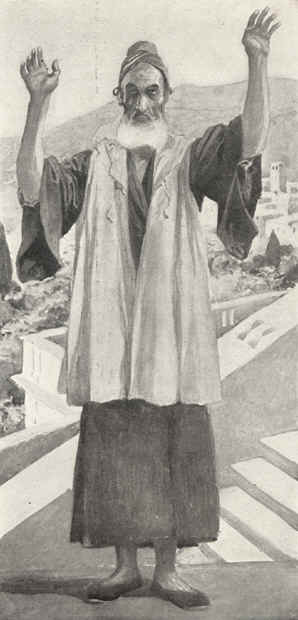
Amos, circa 1896–1902, by James Jacques Joseph Tissot (French, 1836-1902). Public domain.

Throughout the lecture, David discusses the prophetic themes contained within the books, including that:

      • God is the God of the whole world
      • nations are judged
      • Israel is judged on its behavior as a society of individuals
      • the importance of teshuva for individuals and nations
      • the messianic age
      • God’s relationship with the people of Israel
      • justice is more important than sacrifice.

The talk outlines the historical and geopolitical contexts for these prophets and their messages. David also flags the cultural and spiritual legacies of these remarkable biblical figures.

Continue reading “#90 The Twelve Minor Prophets (1)”

#89 The Historical Story of Tanach

 In this Jewish History lecture, David Solomon follows the chronological narrative of the Tanach (Hebrew Bible), outlining the key figures and events of the biblical period, including:

  • the patriarchs and matriarchs
  • the Egyptian exile and the going out of Egypt
  • the settling of the land and the period of the judges
  • the period of the kings
  • the rise of the prophets of Israel
  • the division of the united kingdom of Judah into northern and southern kingdoms
  • the destruction of the northern kingdom, Israel, by the Assyrian Empire
  • the destruction of Judah, the southern kingdom, and the temple in Jerusalem by the Babylonian Empire
  • the 70-year Babylonian exile
  • the return to Zion and the rebuilding of the temple.

David provides an overview of the spiritual and geopolitical driving forces behind the events of this period. He also explains the historiographical status of the various phases of the bible.

This lecture, recorded in Israel in 2009, is an adaptation of David’s popular talk “The Whole of the Bible in One Hour.” It provides a concise historical overview of the biblical period but, unlike The Bible in One Hour, does not explore the ideas and themes of Tanach in depth.

For those interested, a video recording of “The Whole of the Bible in One Hour” can be found above and here https://youtu.be/qIu_iZzuTfM

Continue reading “#89 The Historical Story of Tanach”

#88 Which Period of Jewish History is Most Similar to Our Own?

In this lecture, David Solomon explores which period of Jewish history most resembles the present age. He emphasises that making meaningful comparisons requires qualifying terms and examining key considerations that shaped each era’s dynamics. David outlines relevant factors regarding geopolitics, governance, land control, exile status, spiritual leadership, and ethical behaviour. By analysing periods against these criteria, one can thoughtfully discuss historical parallels, beyond superficial dinner table assertions.

Continue reading “#88 Which Period of Jewish History is Most Similar to Our Own?”

#87 Women in Jewish History: the Biblical Period

David Solomon explores the lives, contributions, and circumstances of 14 women from the biblical period of Jewish History. He examines:

  • Rachav
  • Devorah
  • Yael
  • Bat Yiphtach
  • Pilegesh Bagiv’ah
  • Ruth
  • Channah
  • Michal
  • Abigail
  • Bat Sheva
  • Jezebel
  • Ataliah
  • Yehosheva
  • Chuldah
David Solomon podcast on women in the biblical period of Jewish History
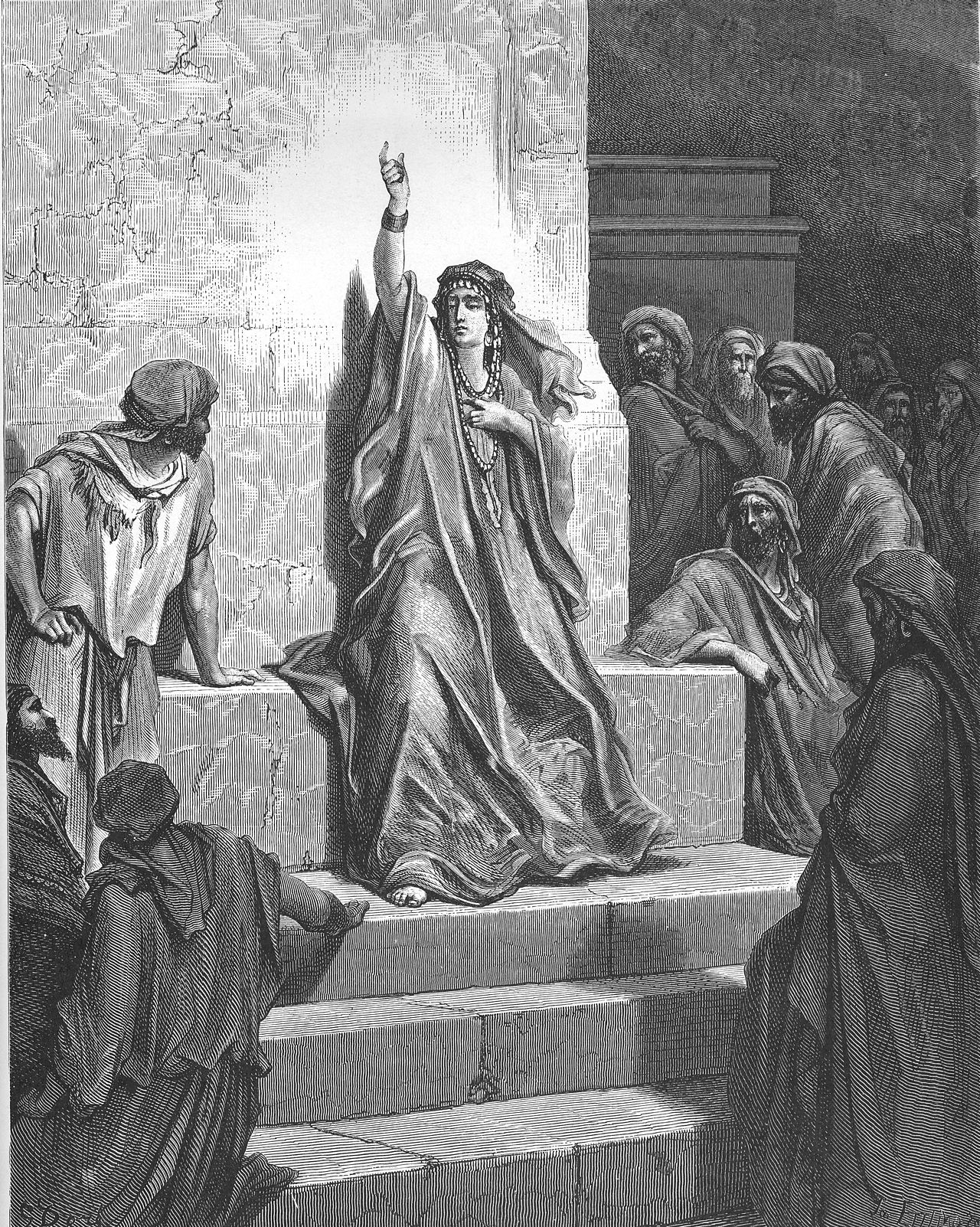
Deborah Praises Jael by Gustave Doré

Among their numbers were:

  • queens
  • prophets
  • judges
  • politicians

as well as women who were distinguished for their faith, integrity, loyalty, courage, and beauty.

In addition to providing insight into the experiences of these fascinating women, David explains their historical legacies, including:

  • the preservation of the Davidic line
  • the cementing of Judaism’s attitude towards celibacy
  • the power of prayer
  • the importance of education
  • women’s connection to Jewish religious practice.

He also traces the changing lot of women throughout the biblical period, from empowerment to disempowerment and back again.

This is the first part of a seven-part series on women in Jewish History David delivered at the Jewish Museum of Australia in 2017. Unfortunately, only some of the talks in the series were successfully recorded. You can find existing lectures by David from that series as well as from others talks on women in Jewish History David has given here:

#73 Women in Jewish History: the Second Temple Period

#14 Worlds in transition: Jewish History of the 16th Century part 3

#43 Communities in Search of Meaning: Jewish History of the 17th Century (part 3)

#50 Women in Jewish History: 18th to 20th Centuries

#51 Women in Jewish History: 20th to 21st Centuries

Continue reading “#87 Women in Jewish History: the Biblical Period”

#86 A Journey Through Jewish Philosophy (8)

In this final installment of his lecture series on Jewish Philosophy, David Solomon explores the philosophical contributions of six remarkable Jewish figures from the twentieth century:

  • Rav Kook
  • The Nazir
  • Emmanuel Levinas
  • Rabbi Joseph Ber Soloveitchik
  • Yeshayah Leibovitz
  • Rabbi Jonathan Sacks.

Watch the Zoom lecture here https://youtu.be/FQwN1_NKPOY

In addition to outlining the philosophical ideas of each of these figures, David reviews some of their shared intellectual themes, including their discussions on Jewish ethics, faith, and revelation, and the importance of moral relationships with others.

As always, David places these Jewish philosophers in their historical and cultural contexts, reviewing the impact of developments of the century on their thoughts and writings. In particular, he discusses the effect of the two seismic events of the twentieth century: the Holocaust and the establishment of the State of Israel.

Explaining the impact of philosophers like Rosenzweig, Kierkegaard, Buber, Cohen, and Heidegger on the work of these six thinkers, David also discusses the personal devastation experienced by Levinas over Heidegger’s embrace of Nazism.

Continue reading “#86 A Journey Through Jewish Philosophy (8)”