
In these lectures, David Solomon will examine how the Jewish idea of the messiah changed over history. He starts by explaining the messiah idea is the expectation that a special time or “end of days” will come when a leader or redeemer will make the world much better. David says this idea kept evolving based on the real circumstances Jewish people faced. This first lecture looks at where the messiah idea first began in the Hebrew Bible.
Hints About a Messiah in the Torah
Later religious leaders saw hints about a messiah in the Torah, the first five books. But the Torah itself only directly talks about a perfect “end of days” time, not a messiah person. The Prophets, the later books of the Hebrew Bible, first clearly describe the messiah idea.
What the Prophets Foretold About the Messianic Era
The prophets gave important details about the future messianic era they envisioned. They said God would free the Jewish people from exile and oppression and bring them back to the land of Israel. The world would become completely just, peaceful and obey God’s laws. People would have a renewed spirit. The prophets don’t mention a king as part of this vision.
The Ideal Davidic King Concept
A different messianic idea that developed was of an ideal Jewish king chosen by God who would rule justly and bring redemption. This kingly idea first applied the term “anointed one” or messiah to the king. Great kings like David, Hezekiah and Josiah represented this perfect Davidic king model.
Hezekiah – Too Righteous to Be the Messiah
Hezekiah was considered such a good king that some said he had already fulfilled all the messiah prophecies about a righteous ruler. But rabbis said certain prophecies were still unfulfilled, so the messiah must still be to come in the future.
Josiah and the Start of Passionate Messiah Zeal
King Josiah purposely tried to fulfil the role of the messiah and actively bring about national redemption for the Jewish people. But political realities interfered with his ambitious goals, which only put off the messianic hope even further. However, his zealotry cemented the vision of a future Davidic messiah who would bring about redemption.
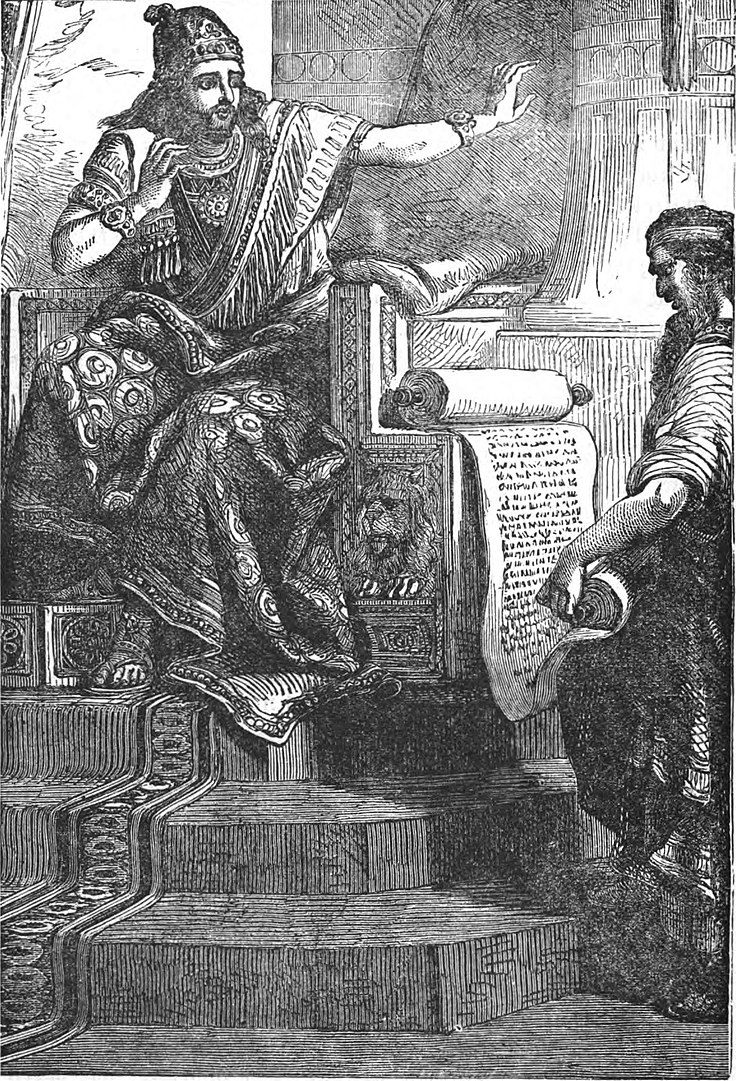
Other Failed Messiah Claimants Maintained the Hope
After Josiah, failed pretenders like Jehoiachin and Zerubbabel kept messianic anticipation alive, even though there was growing despair. With the end of exile under Persia’s Cyrus, Jews were now free yet still under foreign domination, which limited Jewish autonomy and paused most messianic expectations. However, the fundamental messianic belief continued quietly, waiting to reemerge more strongly when circumstances demanded it.
How Actual History Shaped the Messianic Idea
David suggests that real political events and conditions profoundly affected whether messianic zeal and activity erupted fully or remained mostly latent, even though the messianic vision had already been articulated in prophecy. He proposes that only the experience of losing Jewish self-rule and sovereignty entirely could make the Jews desperately hope and struggle for the utopian messianic vision enough to spark major messianic movements aimed at making it a reality. However, he notes that in the early Second Temple period, there were diverse messianic expressions which reveals the idea was still fluid and adaptable at that stage, not yet a fixed doctrine.
Conclusion of David’s Exploration of the Bible
In exploring the Hebrew Bible, David demonstrates that there was no single clear trajectory in how the messianic idea developed in early Jewish thought. Rather, it emerged from dynamic interplay between differing alternative visions which Josiah attempted to fuse. But subsequent failures after Josiah again separated these visions into divergent streams. David argues it was precisely this conceptual flexibility that allowed the messianic belief to continuously evolve into an ideological force inspiring Jews throughout their ongoing history.
Useful Background for David’s Lecture Series
- Familiarity with the Hebrew Bible stories of great kings like David, Hezekiah and Josiah (episode #4, episode #46, episode #115)
- Understanding the Second Temple period when Jews had their own kingdom until foreign powers took away Jewish independence (see episode #34, episode #48, episode #73, episode #110, episode #111)
- Knowing about the Jewish exile in Babylon and return to the land of Israel (episode #47, episode #54, episode #89, episode #115)
- Awareness of Roman domination over Judea during the late Second Temple period (see episode #22, episode #48, episode #73, episode #110, episode #111)
- Understanding biblical prophecies and Talmudic teachings about the messianic era and messiah concept (episode #58)
- Appreciation that David examines the messianic idea in real historical contexts, not just philosophically
- Recognition that David integrates academic analysis about the messianic idea’s evolution with traditional Jewish conceptual frameworks and teachings.
This is an AI generated summary of a transcript made of this lecture. If you discover any errors or inconsistencies, please let us know.
This talk is the first of a four-part series, The Messianic Idea in Jewish History, presented at Caulfield Shule in 2021.
Podcast: Play in new window | Download (Duration: 1:23:55 — 67.1MB)


